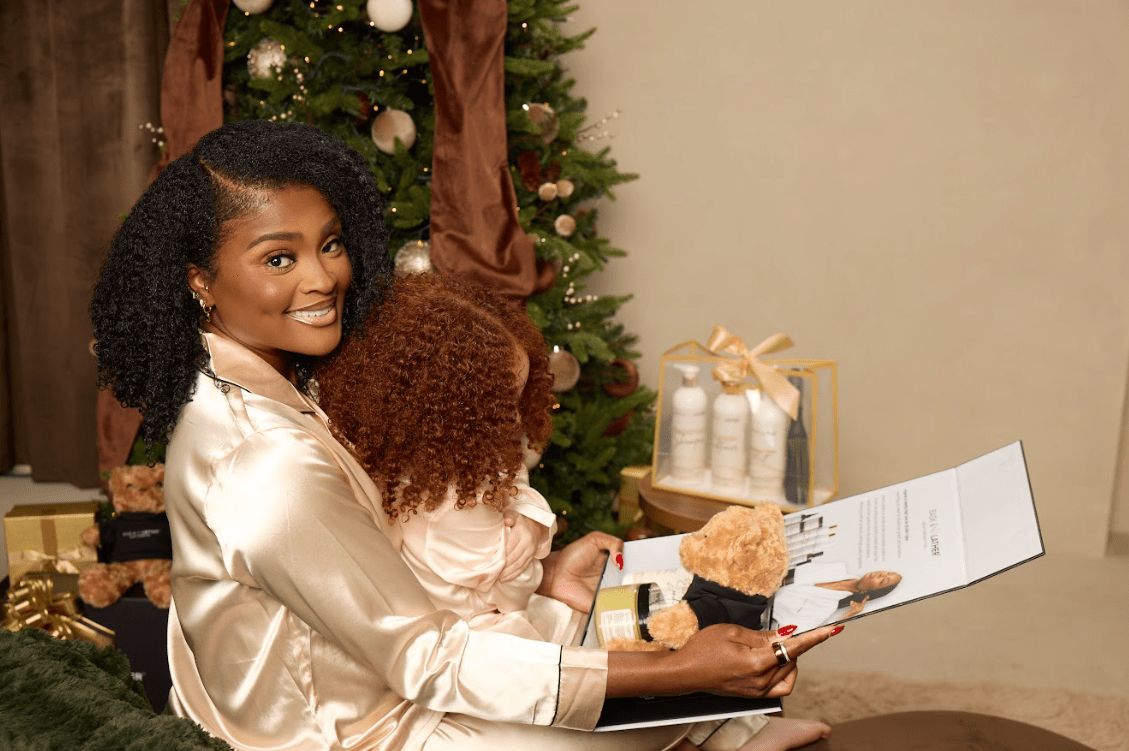
Winter is officially here, and if you have natural hair, you already know what that means: dry air, static, breakage, and that constant battle to keep your hair moisturized. The cold weather outside combined with dry indoor heating creates the perfect storm for natural hair struggles.
But here's the good news: with the right winter hair care routine, you can protect your hair from the harsh elements and actually thrive during the colder months. Your hair doesn't have to suffer just because the temperature dropped. You just need to adjust your routine to give your hair what it needs when it needs it most.

Let's break down exactly how to care for your natural hair this winter, from protecting your moisture to adjusting your styling routine.
Why Winter Is So Hard on Natural Hair
Before we get into the routine, let's talk about why winter wreaks havoc on natural hair in the first place.
Low Humidity
Winter air holds less moisture than summer air. This means there's less moisture in the environment for your hair to absorb. For natural hair, which is already prone to dryness, this is a major problem.
Indoor Heating
While you're staying warm inside, that heat is drying out the air even more. Radiators, space heaters, and central heating all pull moisture from the air, which in turn pulls moisture from your hair.
Friction from Hats and Scarves
Winter accessories are necessary, but they create friction against your hair. This friction can cause breakage, frizz, and tangling, especially at your edges and nape.
Hot Showers
When it's freezing outside, a hot shower feels amazing. But hot water opens your hair cuticles and strips away natural oils, leaving your hair dry and vulnerable.
Less Water Intake
People tend to drink less water in winter because they're not as thirsty. But your hair needs hydration from the inside out. Less water means drier hair.
All of these factors combined mean your hair is working overtime just to maintain basic moisture levels. That's why you need a winter-specific routine.
Step 1: Deep Condition More Frequently
If you're only deep conditioning once a month, winter is the time to increase that frequency. Your hair needs extra moisture and protein to combat the dry air.
How often: Deep condition at least once a week during winter. For very dry or damaged hair, twice a week isn't overkill.
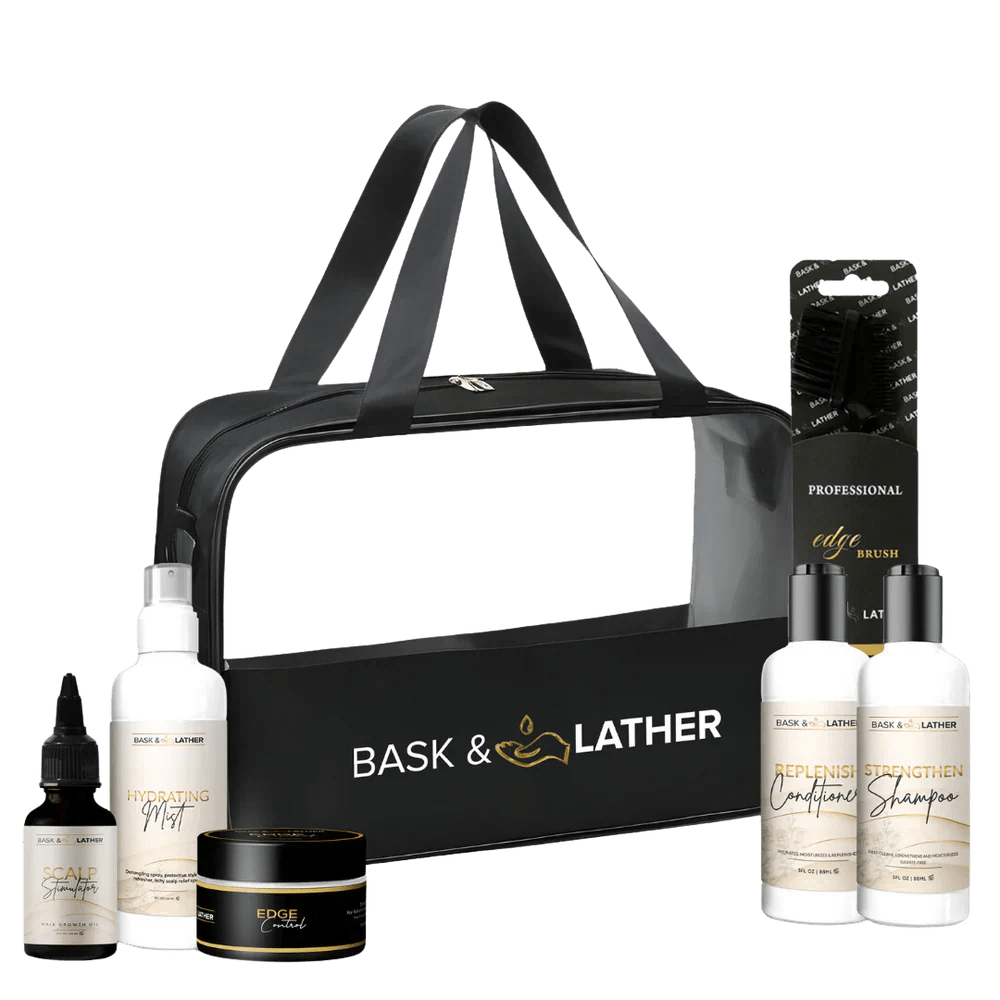
What to use: Look for deep conditioners rich in moisturizing ingredients like aloe, honey, shea butter, and natural oils. The Aloe & Honey Deep Conditioner is formulated specifically to provide intense moisture and strengthen hair during harsh conditions.
Pro tip: Apply your deep conditioner to wet hair, cover with a plastic cap, and sit under a hooded dryer or use a heat cap for 20-30 minutes. The heat helps the product penetrate deeper into your hair shaft.
Step 2: Switch to a Moisture-Rich Shampoo
Winter is not the time for deep cleansing every wash day. Your hair needs gentle cleansing that removes buildup without stripping away the oils your scalp is working hard to produce.
How often: Wash your hair every 7-10 days instead of weekly. Type 3-4 hair can often stretch washes even longer in winter.
What to use: Choose a sulfate-free, pH-balanced shampoo that cleanses without being harsh. Focus on massaging your scalp to stimulate circulation and remove buildup, but don't scrub your hair lengths aggressively.
Pro tip: Use lukewarm water instead of hot water. Yes, it's less comfortable when it's cold outside, but your hair will thank you. Finish with a cool water rinse to seal your cuticles and lock in moisture.
Step 3: Layer Your Moisture (The LOC/LCO Method)
Winter is the perfect time to embrace the LOC (Liquid, Oil, Cream) or LCO (Liquid, Cream, Oil) method. This layering technique locks moisture into your hair and keeps it there throughout the day.
Liquid: Start with a water-based leave-in or hydrating mist. Water is the ultimate moisturizer. Apply it to damp or dry hair to rehydrate your strands.
Oil: Follow with an oil to seal in that moisture. Hair Elixir is formulated with Jamaican black castor oil, apricot kernel oil, jojoba oil, lavender essential oil, and Vitamin E to seal moisture and strengthen your hair.
Cream: Finish with a cream or butter to lock everything in and provide extra nourishment. A stimulating balm works great here, adding moisture while also supporting scalp health.
Pro tip: For LCO method, apply the cream before the oil. Some people find this works better for their hair texture. Experiment to see which order your hair prefers.
Step 4: Protect Your Hair at Night
You can't skip your nighttime routine in winter. The friction from cotton pillowcases combined with dry air means you'll wake up with tangled, dried-out hair if you're not protecting it.
Protective styling: Put your hair in loose twists, braids, or a pineapple before bed. This minimizes tangles and helps your hair retain the moisture you applied during the day.
Silk or satin: Wear a satin bonnet or silk scarf to bed. If you can't do head wraps, invest in a satin pillowcase. This reduces friction and prevents moisture loss while you sleep.
Refresh your moisture: Before putting on your bonnet, lightly spritz your hair with a hydrating hair mist or apply a small amount of oil to your ends. This gives your hair moisture to work with overnight.
Step 5: Keep Your Scalp Healthy
A dry, flaky scalp is common in winter, and it can slow down your hair growth if not addressed. Your scalp needs just as much attention as your hair.
Scalp massages: Massage your scalp 3-4 times a week to stimulate blood flow. This promotes healthy hair growth and helps distribute your scalp's natural oils.
Scalp oils: Use a nourishing scalp oil that promotes circulation and moisturizes without clogging your pores. Scalp Stimulator hair growth oil contains omega-3, 6, and 9 fatty acids along with peppermint and rosemary, which are perfect for winter scalp care.
Don't neglect it: Just because your scalp is covered by hair doesn't mean it doesn't need moisture. Apply your leave-in or mist to your scalp as well, not just your hair.
Step 6: Minimize Heat Styling
Winter already stresses your hair. Adding heat styling on top of that is asking for trouble. The combination of environmental stress and heat damage leads to breakage, split ends, and stunted growth.
Embrace protective styles: Box braids, twists, cornrows, and other protective styles give your hair a break from daily manipulation and protect it from the elements.
Air dry when possible: Skip the blow dryer and let your hair air dry. Yes, it takes longer in winter, but your hair will be healthier for it.
If you must use heat: Always, always use a heat protectant. Apply it generously to damp hair before blow drying or flat ironing. And keep the temperature as low as possible while still achieving your desired results.
Step 7: Protect Your Hair from Winter Accessories
You need hats and scarves to stay warm, but they can damage your hair if you're not careful.
Satin or silk linings: Look for winter hats and beanies with satin or silk linings. If your favorite hat doesn't have one, you can sew one in yourself or wear a satin scarf underneath.
Protective styles under hats: Don't wear your hair loose under a wool hat. Put it in twists or a low bun first to minimize friction.
Pay attention to your edges: Hats can be especially rough on your edges and nape. Apply a protective oil or butter to these areas before putting on your hat.
Step 8: Hydrate from the Inside
External moisture is important, but it's not enough. Your hair needs hydration from within.
Drink more water: Aim for at least 8 glasses a day, even if you're not thirsty. Set reminders on your phone if you need to.
Eat moisture-rich foods: Foods with high water content like cucumbers, watermelon, oranges, and soups help keep you hydrated.
Consider supplements: If your diet is lacking, hair growth vitamins with biotin, MSM, and collagen can support your hair from the inside out.
Step 9: Trim Those Ends
Winter is hard on your ends. They're the oldest part of your hair and take the most damage from dry air and friction.
When to trim: If you notice your ends are splitting or feeling rough, it's time for a trim. Don't wait until the damage travels up your hair shaft.
How much: You don't need to cut inches. A light dusting (trimming just 1/4 inch) every 8-12 weeks is usually enough to keep your ends healthy.
Why it matters: Healthy ends mean better length retention. You can't grow long hair if your ends are constantly breaking off.
Your Complete Winter Hair Care Routine
Here's what your winter routine should look like:
Weekly:
-
Deep condition once (or twice for very dry hair)
-
Wash with a gentle, moisturizing shampoo
-
Apply the LOC or LCO method after washing
-
Scalp massage with nourishing oil 3-4 times
Daily:
-
Refresh moisture with a hydrating mist as needed
-
Seal ends with oil
-
Protect hair at night with satin/silk
Monthly:
-
Trim ends as needed
-
Assess your routine and adjust based on how your hair is responding
Throughout Winter:
-
Minimize heat styling
-
Protect hair under winter accessories
-
Stay hydrated
-
Be patient with your hair
Common Winter Hair Mistakes to Avoid
Even with the best intentions, these mistakes can sabotage your winter hair care:
Skipping moisture because your hair "feels fine": By the time your hair feels dry, it's already been dry for a while. Stay ahead of it by maintaining your moisture routine consistently.
Using the same summer routine: What worked in July won't work in January. Adjust your routine to match the season.
Over-washing: Washing too frequently strips your hair of the oils it needs to stay moisturized. Stretch your washes in winter.
Neglecting your scalp: A dry, unhealthy scalp can't support healthy hair growth. Don't forget about it.
Putting wet or damp hair under a hat: This creates a breeding ground for bacteria and can lead to scalp issues. Make sure your hair is completely dry before covering it.
The Bottom Line
Winter doesn't have to mean damaged, dry, breaking hair. With the right routine and a little extra attention, your natural hair can not only survive winter but actually thrive.
The key is moisture, protection, and consistency. Keep your hair hydrated, protect it from the elements, and stick to your routine even when it feels like extra work. Your hair in spring will show you it was worth it.
Don't let the cold weather win. Your hair is resilient, and with these winter care strategies, you'll come out of the season with healthy, strong, beautiful hair.