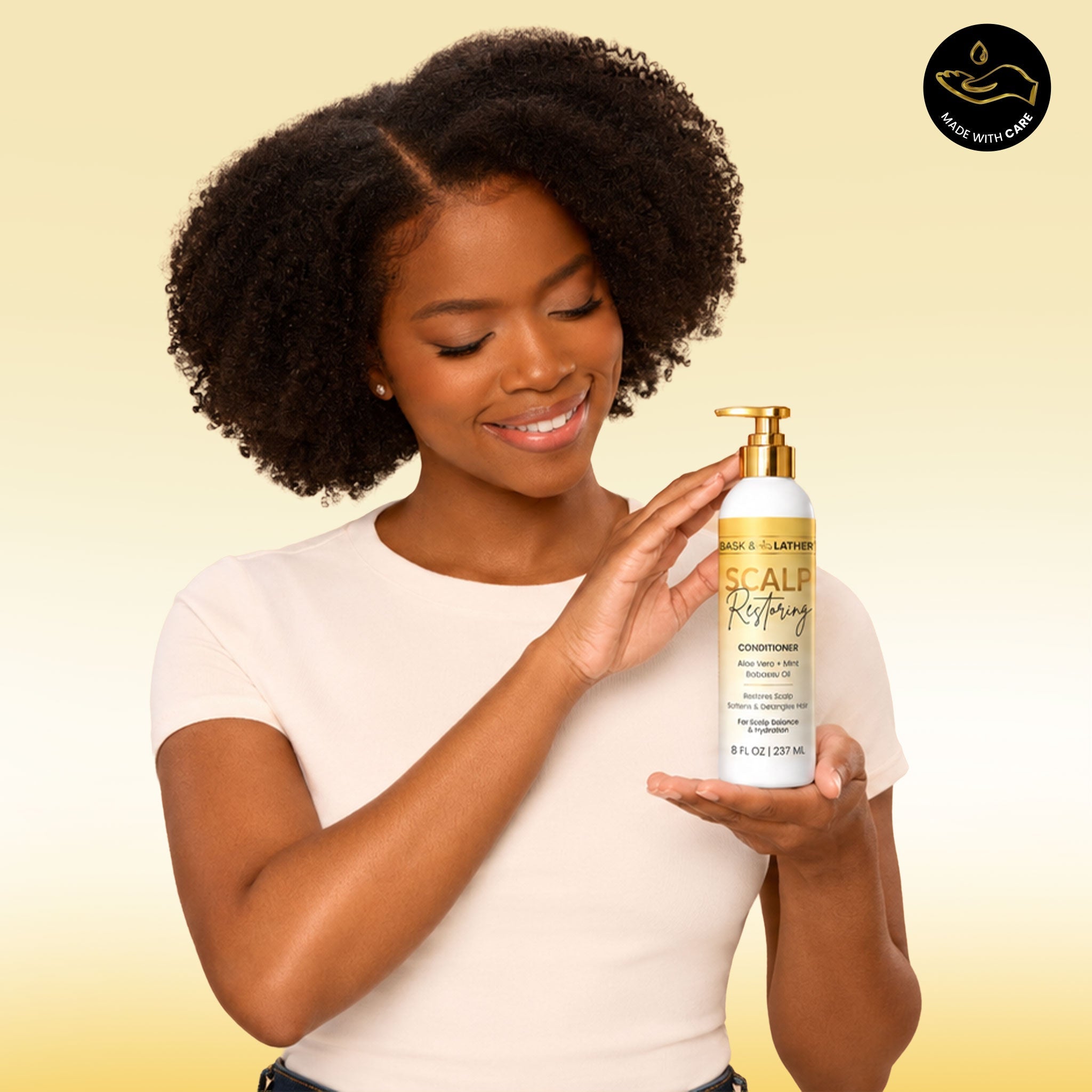
Summer and fall ask for completely different things from your hair. All season you've been managing heat, humidity, sun, sweat, and maybe some chlorine and salt water along the way. Your routine adapted to all of that. Then the weather shifts, the air dries out, and the products and habits that carried you through July suddenly aren't quite doing the job.
The transition from summer to fall is one of the most important routine adjustments of the year. Get ahead of it, and you head into the drier months with hair that's strong, hydrated, and ready. Ignore it, and you spend the first half of fall playing catch-up on damage that was avoidable. Here's how to make the switch.
Assess the Summer Damage First
Before you change anything, take stock of where your hair actually is after a long summer.
Summer is tough on hair. UV exposure weakens the hair shaft, salt and chlorine strip moisture, and constant sweat and restyling take their toll. So the first step in your fall transition is an honest look at what your hair needs. Check your ends for dryness and splitting. Notice whether your hair feels weaker or more brittle than it did in June. Pay attention to how your scalp feels after a summer of heat and product.
This assessment tells you where to focus. If your ends are rough, you're due for a trim. If your hair feels dry and porous, you need a moisture rebuild. If your scalp has been neglected under summer styles, that's your starting point.
Rebuild Your Moisture
The single biggest shift from summer to fall is the move from managing humidity to fighting dryness.
All summer, the moisture in the air worked in your favor. Humidity kept your hair from drying out, which is why lighter products often felt like enough. As fall sets in, the air loses that moisture, and it starts pulling hydration out of your hair instead of adding to it. Your routine has to compensate.
This is the time to bring back richer moisture. Layer your leave-in and sealing steps more deliberately, and lean into deep conditioning if you let it slide during the summer. The Hair Growth Collection has moisture-rich options that help rebuild hydration as the air dries out, so your hair goes into fall replenished rather than depleted.
If you follow the LOC or LCO method, fall is when it earns its keep. The extra layering that felt like too much in humid summer air is exactly right for the drier months ahead.
Give Your Ends Extra Attention
Your ends took the worst of summer, and they're the most vulnerable part of your hair heading into fall.
The oldest hair on your head lives at your ends, which means it's been through every wash, every style, and every bit of sun and chlorine all season. Dry fall air hits that already-stressed hair the hardest, and if you don't protect it, breakage follows.
Start with a trim if your ends need it. Removing the summer damage now prevents splits from traveling up the shaft as the season gets drier. Then keep your ends sealed and moisturized. They need more attention than the rest of your hair through fall, so make sealing them a consistent part of your routine rather than an afterthought.
Reset Your Scalp After Summer
A full summer of sweat, sunscreen, product, and heat leaves your scalp in need of a reset before fall.
If your scalp has been under braids, wigs, or heavy stylers all summer, it's likely carrying buildup and could use some rebalancing. Heading into fall with a clean, healthy scalp sets up everything else, since a balanced scalp is the foundation your hair grows from. Giving it a proper reset, cleansing away the summer buildup and restoring hydration, is one of the best things you can do at the seasonal turn. A complete scalp care routine makes that reset simple and thorough.
Once your scalp is reset, keep it balanced with regular care through the drier months. Fall dryness affects your scalp just like it affects your hair.
Adjust for Fall Styling
As the weather cools, your styling shifts too, and your routine should follow.
Summer was all about keeping hair off your neck and protected from the elements. Fall opens up more options as the heat fades, but it also brings hats, scarves, and more friction from layers and collars. Be mindful of the breakage that comes from that friction, and protect your hair where it rubs against fabric.
This is also a natural time to lean back into protective styles if you stepped away from them over summer. As the air dries, protective styling helps your hair retain the moisture you're working to rebuild. If you wear protective styles, the 4C Hair Products collection has moisture-focused options that keep textured hair hydrated underneath.
Support Growth Through the Season Change
Seasonal transitions can come with extra shedding, so a little support goes a long way.
Some increased shedding at the change of seasons is normal, but you can minimize it by keeping your routine consistent and your scalp healthy. Don't abandon the habits that were working just because the weather changed. Keep up your scalp massages, stay consistent with moisture, and maintain the healthy routine you built over summer.
If you take supplements or use growth-supporting products, fall is a good time to stay consistent with them. The season change is exactly when your hair benefits from steady, reliable care rather than a disrupted routine.
Ease Into It
You don't have to overhaul everything on the first cool day. The transition from summer to fall is gradual, and your routine can shift gradually too.
Start by assessing where your hair is. Rebuild your moisture as the air dries. Protect your ends, reset your scalp, and keep your routine consistent through the change. Small, intentional adjustments now set you up for a fall of healthy, hydrated hair instead of a season spent recovering from summer.
The weather is changing. Let your routine change with it.
Frequently Asked Questions
Why do I need to change my hair routine for fall?
As the weather cools, humidity drops and the air starts pulling moisture out of your hair rather than adding to it. The lighter products and habits that worked in humid summer air often aren't enough for the drier fall months, so your routine needs to shift toward richer moisture and more protection.
How do I know if my hair was damaged over the summer?
Check your ends for dryness and splitting, notice whether your hair feels weaker or more brittle than it did earlier in the year, and pay attention to how your scalp feels. Sun, salt, chlorine, and sweat all take a toll, and these are the signs your hair needs a fall reset.
Should I get a trim when transitioning to fall?
If your ends are dry, split, or rough from summer, a trim helps. Removing damaged ends before the dry season prevents splits from traveling up the hair shaft and sets you up for better length retention through fall and winter.
Is more shedding normal during the change of seasons?
Some increased shedding at seasonal transitions is normal. You can minimize it by keeping your routine consistent, maintaining a healthy scalp, and staying steady with moisture and growth-supporting habits through the change.
How do I keep my hair moisturized as the weather gets drier?
Bring back richer moisture and more deliberate layering, lean into deep conditioning, and keep your ends sealed. If you use the LOC or LCO method, the extra layering that felt heavy in summer is ideal for drier fall air.