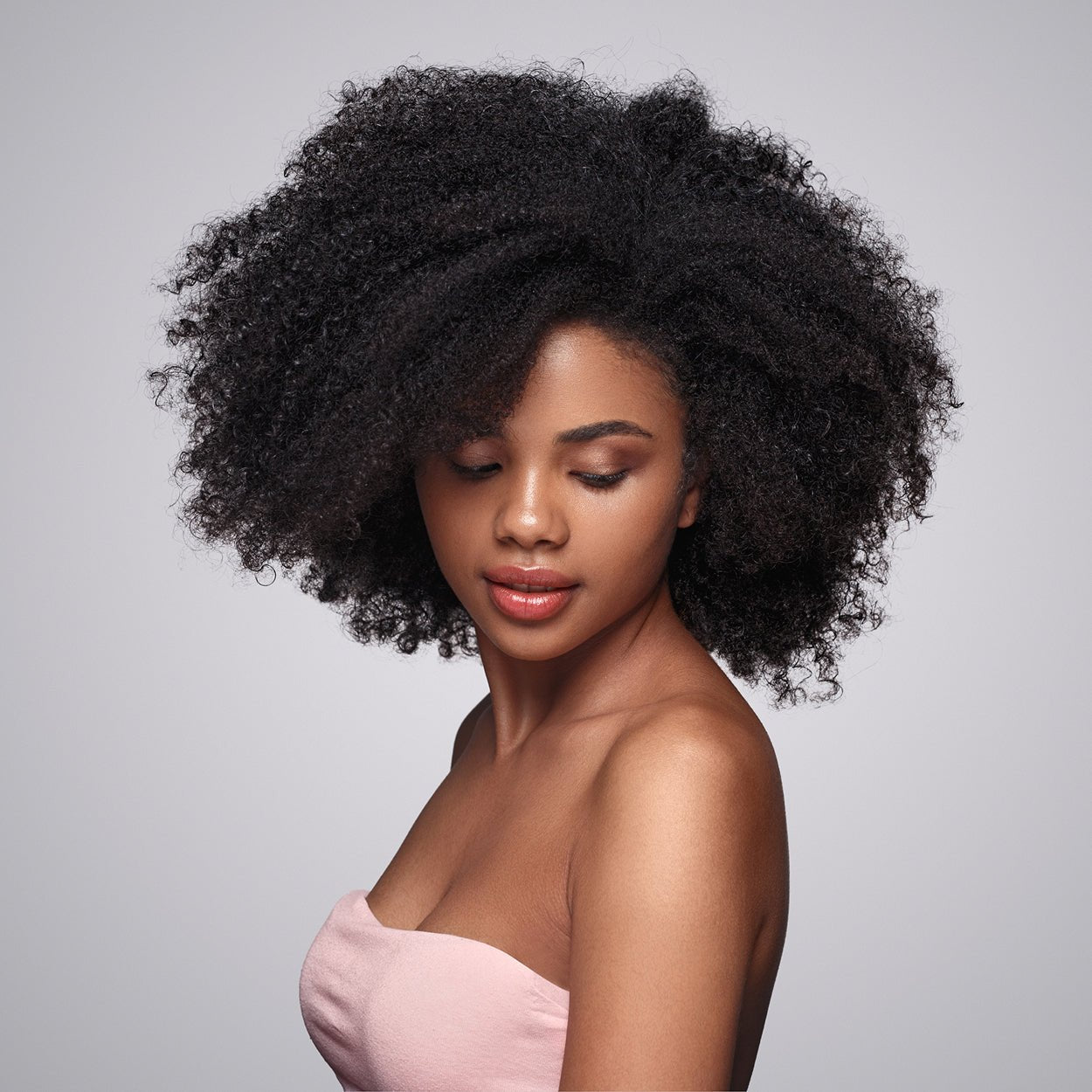
The new year is almost here, and while everyone else is making resolutions about the gym or saving money, let's talk about something that actually matters: your hair goals. What do you want your hair to look like by this time next year? How do you want to feel when you look in the mirror?
Setting hair goals isn't just about length (though that's part of it). It's about health, confidence, and showing up for yourself consistently. Whether you want to grow your hair longer, restore your edges, improve your hair's thickness, or simply maintain what you have, having clear goals makes all the difference.
Let's break down how to set realistic, achievable hair goals for 2026 and actually stick to them.

Why Hair Goals Matter
Most people approach hair care reactively. They deal with problems as they come up: breakage, dryness, thinning. But what if instead, you approached your hair proactively? What if you had a plan?
That's what hair goals do. They give you direction, keep you motivated when progress feels slow, and help you make better decisions about your hair care routine. When you know where you're going, it's easier to stay on track.
Plus, there's something powerful about setting an intention and then watching yourself achieve it over time. Hair growth is visible progress you can see and measure. That builds confidence that extends beyond your hair.
Step 1: Assess Where You Are Now
Before you can set goals, you need to know your starting point. Take some time to honestly assess your hair's current state.
Take photos: Get clear photos of your hair from multiple angles. Front, back, sides, top. These will be your "before" photos. Trust us, you'll want them when you see your progress in six months.
Measure your length: Use a measuring tape or a length check shirt to document your current length. Be specific: "10 inches from root to tip" is better than "shoulder length."
Note your concerns: What's bothering you about your hair right now? Thinning edges? Dry ends? Slow growth? Breakage? Write it down.
Identify your wins: What's working well? What parts of your routine are solid? Build on your strengths.
This assessment gives you a baseline. You can't track progress without knowing where you started.
Step 2: Set Specific, Measurable Goals
"I want healthier hair" is not a goal. It's a wish. Goals need to be specific and measurable so you know exactly what you're working toward and when you've achieved it.
Length goals: "Grow 6 inches by December 2026" or "Reach waist length by my birthday."
Health goals: "Eliminate split ends" or "Restore moisture so my hair stays hydrated for 3+ days."
Thickness goals: "Fill in my edges within 6 months" or "Increase hair density at my crown."
Retention goals: "Retain 80% of my growth this year" or "Stop breakage at my nape."
Routine goals: "Deep condition weekly without missing" or "Protective style for 8 weeks at a time, 3 times this year."
Notice how each of these is specific and measurable. You'll know exactly whether you achieved it or not.
Step 3: Make Your Goals Realistic
Here's some real talk: your hair grows about half an inch per month on average. That's 6 inches in a year if you retain all your growth. Most people don't retain 100% due to normal shedding, trims, and some breakage.
So if your hair is currently 8 inches long, setting a goal to have waist-length hair by June isn't realistic. It's just setting yourself up for disappointment.
Realistic length goal: Aim for 4-6 inches of retained growth over the year.
Realistic health goal: Give yourself at least 3 months to see significant improvement in moisture, thickness, or edge growth.
Realistic routine goal: Start with small changes (deep condition weekly) before committing to complete routine overhauls.
Realistic goals keep you motivated because you can actually achieve them. Unrealistic goals lead to frustration and giving up.
Step 4: Break It Down into Action Steps
A goal without a plan is just a dream. Once you know what you want, figure out exactly how you're going to get there.
If your goal is length:
-
Deep condition weekly to prevent breakage
-
Protective style to minimize manipulation
-
Trim every 3 months to prevent splits from traveling up
-
Use oils to seal moisture and prevent dryness
-
Get enough protein and water in your diet
If your goal is edge restoration:
-
Stop all tight styles immediately
-
Massage edges with growth oil twice daily
-
Be patient (edges take 3-6 months to fill in)
-
Protect edges at night with satin
If your goal is thickness:
-
Scalp massages 3-4 times per week
-
Use a scalp stimulator oil to promote circulation
-
Consider hair growth vitamins to support from within
-
Reduce shedding by improving hair strength
Write down your action steps. These are the daily and weekly tasks that will get you to your goal.
Step 5: Track Your Progress
You need to see your progress to stay motivated. Hair grows slowly, and it's easy to feel like nothing's happening if you're not tracking.
Monthly photos: Take progress photos on the same day each month, in the same lighting, with your hair styled the same way. Compare them side by side.
Measurements: Measure your length every 6-8 weeks. You should see about 1-1.5 inches of growth in that time.
Journal: Keep notes about what's working, what's not, how your hair feels, products you tried, and any changes you made. This helps you identify patterns.
Celebrate small wins: Did your edges fill in a little? Are you seeing less shedding? Is your hair retaining moisture better? These are all wins worth celebrating.
Tracking keeps you accountable and shows you that yes, you are making progress, even when it feels slow.
Step 6: Build Consistency into Your Routine
Goals are achieved through consistent action, not occasional effort. The difference between people who reach their hair goals and people who don't usually comes down to consistency.
Create a schedule: Decide when you'll deep condition, oil your scalp, do protective styles, etc. Put it in your calendar like any other appointment.
Simplify your routine: A complicated routine you do once is less effective than a simple routine you do consistently. Start with the basics and build from there.
Prepare in advance: Pre-section your hair for styling. Keep your products organized and easy to access. Remove barriers to consistency.
Find accountability: Share your goals with a friend who's also on a hair journey. Check in with each other monthly.
Consistency is everything. Show up for your hair every single day, even when you don't feel like it.
Step 7: Support Your Goals from the Inside
External hair care is only half the equation. Your hair's health starts from within.
Hydration: Drink enough water daily. Your hair can't retain moisture if your body is dehydrated.
Nutrition: Eat protein (for hair structure), healthy fats (for moisture), and plenty of fruits and vegetables (for vitamins and minerals).
Supplements: If your diet is lacking, hair growth vitamins with biotin, collagen, MSM, and B12 (sourced from Methylcobalamin) can fill in the gaps. They work best when combined with a solid routine, not as a replacement for one.
Sleep and stress management: Your body repairs and grows hair while you sleep. Chronic stress can actually slow hair growth. Take care of your whole self, not just your hair.
Internal support accelerates your results and makes your external efforts more effective.
Step 8: Be Flexible and Adjust
Your hair will tell you what it needs as you go. Pay attention and be willing to adjust your plan.
Not seeing results? Reassess your routine. Maybe you need more protein, more moisture, or less manipulation.
Hair responding well? Great! Keep doing what you're doing and maybe level up to the next goal.
Life got busy? It happens. Simplify your routine temporarily instead of abandoning it completely.
The goal isn't perfection. It's progress. Stay flexible, keep showing up, and adjust as needed.
Common Goal-Setting Mistakes to Avoid
Setting too many goals at once: Focus on 1-2 main goals. Trying to do everything overwhelms you and leads to doing nothing.
Comparing yourself to others: Someone else's 6-month progress isn't your 6-month progress. Your hair is unique. Focus on your own journey.
Giving up too soon: Hair goals take months, not weeks. Give your routine at least 3 months before deciding it's not working.
Ignoring what works: If something in your current routine is working well, keep it. Don't change everything just because it's a new year.
Not celebrating progress: Acknowledge every inch of growth, every improvement in health, every day you stay consistent. It all matters.
Your 2026 Hair Goals Action Plan
Ready to set your goals? Here's your action plan:
This Week:
-
Take your "before" photos and measurements
-
Write down 1-2 specific, measurable goals
-
List the action steps needed to achieve them
-
Schedule your hair care tasks for the month
This Month:
-
Start your consistent routine
-
Order any products you need
-
Set a reminder for your first progress check-in
Throughout 2026:
-
Track monthly progress with photos and measurements
-
Adjust your routine as needed
-
Celebrate your wins
-
Stay patient and consistent
The Bottom Line
2026 is your year for hair growth. Not because of some magic product or secret technique, but because you're going to set clear goals, create a solid plan, and show up consistently.
Your hair goals are achievable. They just require patience, consistency, and the right support. Whether you want to grow your hair longer, restore your edges, improve your hair's health, or all of the above, you can do it.
The key is starting now. Don't wait for January 1st. Start planning your goals today, take your starting photos this week, and hit the ground running in 2026.
Your future self will thank you for the commitment you make today. Let's make 2026 your best hair year yet.
Ready to support your 2026 hair goals? Check out our complete collections to give your hair everything it needs to thrive this year.