You moisturize on wash day, your hair feels soft and springy, and by midweek the ends feel like straw again. If that cycle shows up every fall, the weather is only half the story. The other half is porosity, which is how easily your hair lets moisture in and how well it holds on to it once it's there.
Cool weather affects everyone's hair, but not in the same way. Two people can follow the exact same fall routine and get opposite results, because their strands are built differently. Once you know which kind of hair you have, the fix gets a lot simpler.
What Cold Weather Actually Does to Your Hair
As temperatures drop, the air holds less moisture. Then the heat comes on indoors, and the air inside your home gets even drier. Your hair is constantly trading water with the air around it, so when that air is dry, moisture leaves your strands faster than it did in July.
If you have coily or curly hair, you probably feel this before anyone else. The natural oils your scalp produces have a hard time traveling down a coil the way they slide down straight hair, so your ends start out with less built-in protection. When the air turns dry, your ends are the first place it shows.
How quickly that happens, and what helps, comes down to the outer layer of each strand, called the cuticle. On some hair, the cuticle lies flat and tight. On other hair, it's raised or has small gaps. That difference is porosity, and it shapes how your hair handles the cold weather months.
Low Porosity vs. High Porosity: Two Different Problems
If your hair has low porosity, the cuticle lies flat and resists letting water in. You might notice that your hair takes a long time to get fully wet in the shower, takes hours to dry, and that products seem to sit on top instead of sinking in. Because that cuticle lies so flat, though, low porosity hair holds on to moisture longer once it finally gets in. In cold weather, the challenge is getting moisture inside at all, and avoiding the buildup that happens when products have nowhere to go.
If your hair has high porosity, the cuticle is raised or has gaps, often from heat styling, color, chemical treatments, or simply years of wear along the lengths. Your hair soaks up water and product quickly and dries fast. The trouble is that moisture leaves just as easily as it arrives. In dry fall air, that means hair that feels hydrated on wash day can feel parched a day or two later.
So low porosity hair struggles to let moisture in, and high porosity hair struggles to keep it. Same season, opposite problems, which is why one-size-fits-all fall advice so often falls flat. If your fall routine has felt like a guessing game, this is usually why.
How to Tell Which One You Have
You've probably seen the glass-of-water test, where you drop a strand into water and watch whether it floats or sinks. It's a fun place to start, but leftover product and oils can easily throw it off. If you try it, use a strand from freshly washed hair with nothing on it.
The more reliable test is how your hair behaves on wash day. If water beads up before it soaks in, drying takes forever, and products tend to leave a film, you're likely low porosity. If your hair gets soaked almost instantly, dries quickly, and tangles or frizzes easily, you're likely high porosity.
On coily hair, it often shows up in your styles. A twist-out that's still damp at dinnertime points to low porosity. Coils that feel soft and hydrated on wash day but dry again by the next morning point to high porosity.
Plenty of people have both. Your roots are newer hair and may be lower porosity, while your ends have been through months or years of washing and styling and may be higher. If that sounds like you, care for each section of your hair based on how it behaves rather than picking one label for your whole head.
The Cold-Weather Fix for Low Porosity Hair
For low porosity hair, the goal is to help moisture get in, then keep everything light enough that your hair can breathe.
Use warmth when you deep condition. Gentle heat helps the cuticle lift slightly so the conditioner can work its way into each strand. Apply a moisture-rich conditioner like the Aloe & Honey Deep Conditioner, cover your hair with a plastic cap, and sit under a hooded dryer, wrap a warm towel around your head, or let the steam from your shower do the work for 20 to 30 minutes.
Apply products to damp hair. Your cuticle is most receptive right after washing, so that's the moment for your leave-in and oil. If you wait until your hair is dry, most of what you apply will sit on the surface.
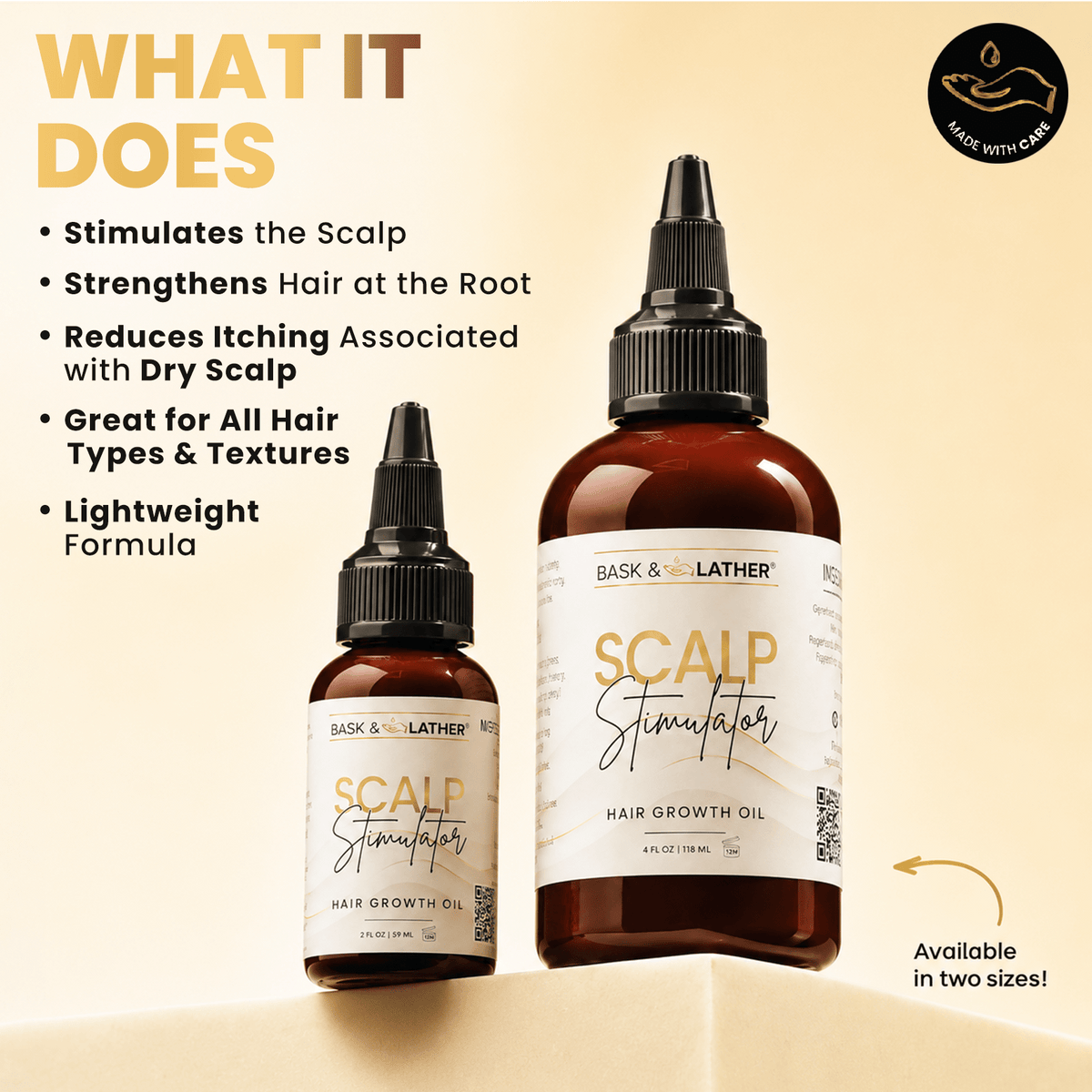
Choose lighter layers. Heavy butters tend to sit on low porosity hair and build up over time. A water-based leave-in followed by a light oil, such as the Hair Elixir with jojoba, grapeseed, argan, and hemp seed oils, seals in moisture without weighing your hair down.
Pair humectants with a seal. Humectants like glycerin and honey pull water toward your hair, which is exactly what low porosity strands need. In very dry indoor air, though, there's less moisture around for them to work with. You don't need to give them up. Follow them with a light oil so the moisture they bring in stays where you want it.
The Cold-Weather Fix for High Porosity Hair
High porosity hair lets moisture in easily, so the job is sealing it in and smoothing the cuticle so it doesn't slip right back out.
Seal with richer products. This is where creams, butters, and heavier oils earn their place. Apply your leave-in to wet hair, then seal with something richer so there's a real barrier between your strands and the dry air.
Finish with a cool rinse. Rinsing with cooler water after you condition helps the cuticle lie flatter, which helps your hair hold on to the moisture you just gave it.
Make room for protein. Raised or worn cuticles often benefit from an occasional protein treatment, which helps reinforce the strand. Alternate it with moisture so your hair stays soft rather than stiff.
Refresh midweek. Because high porosity hair loses moisture quickly, a midweek touch-up makes a big difference. A little leave-in on your ends, sealed with a bit of cream or oil, keeps them from drying out between wash days.
Go easy on heat. Every blow-dry and flat iron session lifts the cuticle a little more. If fall is when your heat tools come back out, use them less often and always with a heat protectant.
What Every Porosity Type Should Do This Fall
A few habits help no matter how your hair is built.
Add moisture back to the air. Running a humidifier in your bedroom puts some of that missing moisture back into the room while you sleep, which helps both your hair and your skin.
Protect your hair at night. Sleep on a silk or satin pillowcase, or wrap your hair in a satin scarf, so cotton isn't absorbing moisture and roughing up your cuticle overnight.
Watch the friction. Wool hats, scarves, and coat collars rub against your ends all day. A satin-lined hat or a scarf tucked away from your hair cuts down on that friction.
Give your ends extra attention. They're the oldest and usually most porous part of your hair, so a little extra sealing there goes a long way. For coily and 4C hair, the 4C Hair Products collection has moisture-rich options for every step, from wash day to that final seal.
Work With Your Hair, Not Against It
Dry fall hair doesn't mean you're doing something wrong. More often, it means your routine was built for a different kind of hair than the one you have. Figure out whether your strands struggle to let moisture in or to hold on to it, adjust for that, and the cold months get a lot easier on your hair.
Frequently Asked Questions
What is hair porosity?
Porosity describes how easily your hair absorbs moisture and how well it holds on to it. It depends on the cuticle, the outer layer of each strand. A flat, tight cuticle means low porosity, while a raised or gapped cuticle means high porosity.
Can my hair's porosity change?
Your natural porosity is largely set by genetics, but heat styling, color, chemical treatments, and everyday wear can raise it over time, especially along your ends. That's why many people find their ends behave differently from their roots.
Should I stop using glycerin in the winter?
Not necessarily. Glycerin and other humectants are helpful, especially for low porosity hair. In very dry air, the key is to follow them with a light oil or cream so the moisture they attract stays in your hair.
How often should I deep condition in the fall?
Once a week works well for most people, especially if your hair is high porosity. Low porosity hair often does well every one to two weeks, as long as you use gentle heat to help the conditioner soak into your hair instead of sitting on top of it.
Can I have both low and high porosity hair?
Yes, and it's common. Newer hair near your roots is often lower porosity, while older hair toward your ends tends to be higher. Treat each section based on how it behaves, with lighter products near the roots and richer sealing on the ends.