Most people's scalp care looks something like this. Your scalp starts itching, so you grab whatever oil or treatment is in the cabinet. You use it for a few days, the itching calms down, and you forget about it until the next flare-up.
That's not a routine. That's damage control.
And it's why so many people stay stuck in the same cycle of irritation, relief, and irritation again. Spot treatments address symptoms. They don't build scalp health. For that, you need a regimen: a set of steps that work together, done consistently, with a rhythm you can actually maintain.
Here's how to build one.
Step 1: Understand What a Regimen Actually Requires
Before you build anything, it helps to know what your scalp genuinely needs. It's not one thing. It's four.
Preparation. Buildup from stylers, oils, and protective styles clings to your scalp and doesn't come off with a standard wash. Your regimen needs a step that loosens and lifts that residue first.
Cleansing. Your scalp needs regular, gentle cleansing to remove buildup, oil, and impurities without stripping the natural oils that keep it balanced.
Conditioning. After cleansing, your scalp and hair need moisture restored. This is also what protects your hair through detangling, the most breakage-prone moment of wash day.
Ongoing hydration. Wash day care isn't enough on its own. Your scalp needs hydration that carries through the days between washes so it doesn't swing back into dryness and irritation.
A single product can do one of these things. It can't do all four. That's the fundamental limitation of the spot treatment approach, and it's why the results never last.
Step 2: Map the System to Your Wash Day
Once you know the four needs, building the routine is a matter of putting them in the right order.
Start by prepping the scalp to loosen buildup. Move to gentle cleansing now that the residue is already broken down. Follow with conditioning to restore moisture and add the slip that makes detangling safe. Finish with lightweight hydration that lasts past wash day. The four steps of the Scalp Therapy System map onto exactly these needs, in exactly this order.
The order matters as much as the products. Preparation makes cleansing more effective. Cleansing lets moisture absorb properly. Conditioning protects your hair through detangling. Hydration maintains everything until next time.
This is what makes it a system rather than a shelf of separate products. Each step is formulated to build on the last, which is why the full regimen delivers results that individual products can't match on their own.
Step 3: Set Your Weekly Cadence
A regimen only works if you actually do it. Here's a realistic rhythm for most people.
Every wash day (once or twice a week): Run the full system, prep to hydrate, start to finish. This is the anchor of your regimen and the non-negotiable part.
Two to three times a week: Massage your scalp for three to five minutes. This keeps circulation up, relieves tension, and helps distribute your scalp's natural oils. You can do this dry or with a scalp oil.
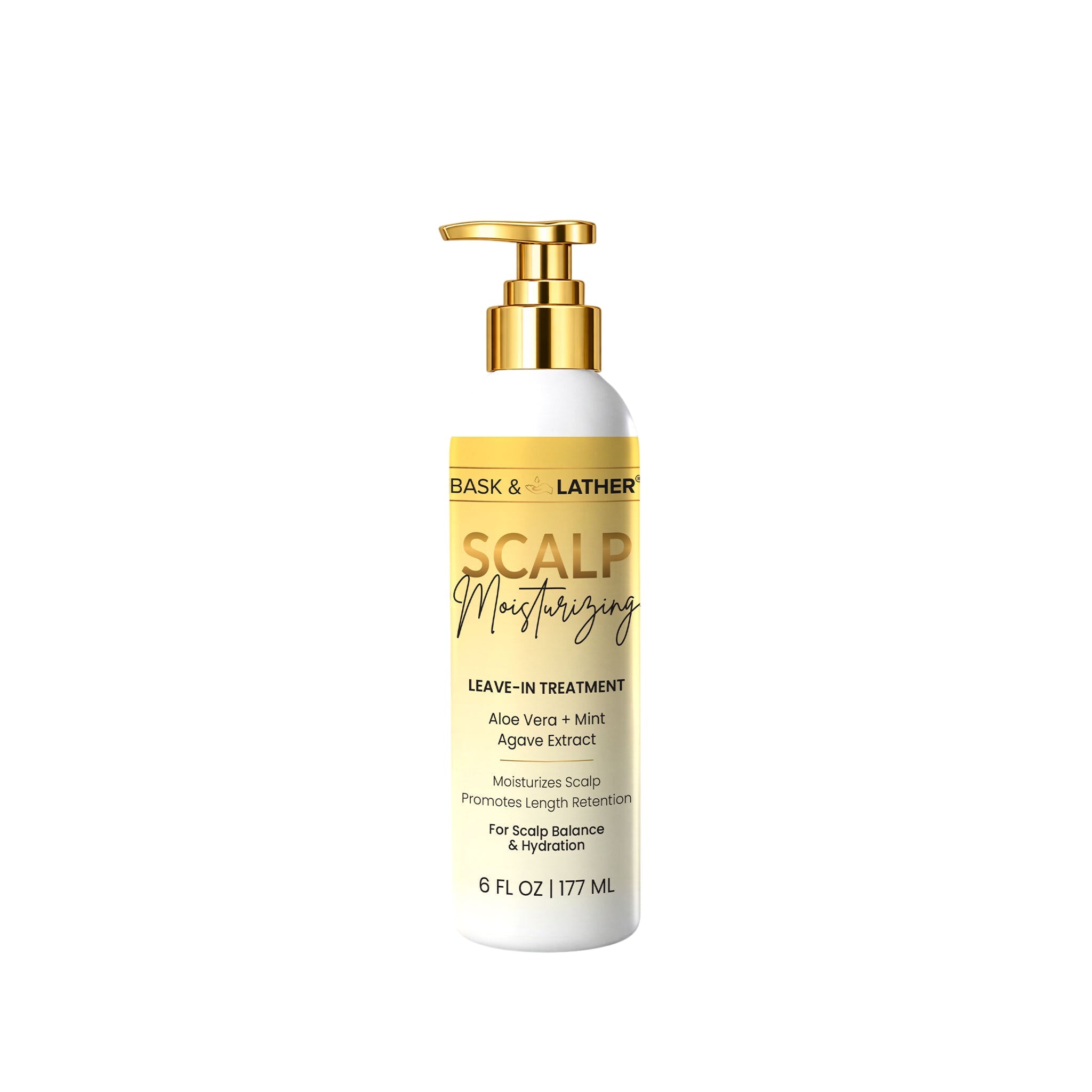
As needed between washes: Refresh with the leave-in whenever your scalp feels dry, tight, or overheated. This is your maintenance step, and it's what prevents the mid-week irritation that sends most people running for a spot treatment.
After heavy sweating: Rinse your scalp with water rather than letting sweat and buildup sit. You don't need to shampoo every time.
That's the whole cadence. It's not complicated, and it's not a ten-step production. It's a handful of steps done consistently, which is exactly what scalp health requires.
Step 4: Adjust for Your Situation
The base regimen works for most people, but a few situations call for adjustments.
If you wear protective styles: Lean harder on the pre-shampoo when you take a style down. Weeks of trapped buildup need a proper reset before you cleanse. While the style is in, focus on the leave-in to keep your scalp hydrated and comfortable.
If your scalp gets oily quickly: You may need to wash more frequently. That's fine. What matters is that you're cleansing gently rather than stripping, which actually triggers more oil production as your scalp overcompensates.
If your scalp runs dry and tight: Prioritize the hydration steps. Use the leave-in more often between washes, and don't over-wash, which can worsen the dryness.
If you're active or sweat heavily: Add water rinses between wash days and refresh with the leave-in afterward to restore balance.
The framework stays the same. You're just dialing the frequency up or down based on what your scalp is telling you.
Step 5: Give It Time and Track What Changes
Here's where most people abandon ship. They run a routine for two weeks, don't see dramatic change, and go back to the spot treatment cycle.
Scalp health builds gradually. You'll likely notice comfort improvements first: less itching, less tightness, less flaking. Those can show up within a few weeks. The deeper benefits, like reduced buildup, better balance, and improved conditions for growth, take longer and compound with consistency.
Pay attention to how your scalp feels rather than only what it looks like. Is it comfortable? Is the mid-week itch gone? Are you reaching for emergency treatments less often? Those are the signals your regimen is working.
Give it at least three months before you judge the results. That's how long it takes for consistent scalp care to show up in your hair.
Why the Full Regimen Beats One-Off Fixes
Spot treatments will always have a place for acute problems. But they can't build scalp health, because they only intervene after something has gone wrong.
A regimen works differently. It prevents the problems instead of chasing them. Buildup doesn't accumulate to the point of irritation because you're clearing it every wash day. Dryness doesn't spiral into flaking because you're hydrating consistently. Your scalp stays in balance instead of swinging between extremes.
That's the difference between basic maintenance and actual therapy. One keeps you afloat. The other creates a scalp that supports the healthy, hydrated hair you're working toward.
Build It Once, Benefit From It Always
You don't need to overhaul everything or add an hour to your wash day. You need four steps in the right order, a rhythm you can keep, and the patience to let it work.
Scalp care is more than one step. Once you treat it that way, you stop managing problems and start building the foundation your hair has been waiting for.
Frequently Asked Questions
How long does a complete scalp regimen take on wash day?
The full system adds relatively little time to a normal wash day, mostly the few minutes the Pre-Shampoo needs to sit. Once the steps become routine, it moves quickly and replaces the time you'd otherwise spend fighting tangles and buildup.
Can I just use one product from the system instead of all four?
You can, but you'll be addressing only one of the four things your scalp needs. The system is designed so each step improves the effectiveness of the next, which is why the complete regimen outperforms individual products.
How often should I do the full scalp routine?
On every wash day, which is typically once or twice a week depending on your hair type and lifestyle. Between washes, maintain with scalp massage and the Leave-In Treatment as needed.
How long before I see results from a scalp regimen?
Comfort improvements like less itching and tightness often show up within a few weeks. Deeper changes in scalp balance and hair health take around three months of consistent use.
Do I still need spot treatments if I have a full regimen?
Far less often. A consistent regimen prevents most of the issues that spot treatments address. If you're still dealing with persistent irritation or flaking after several months of consistent care, that's worth discussing with a dermatologist.