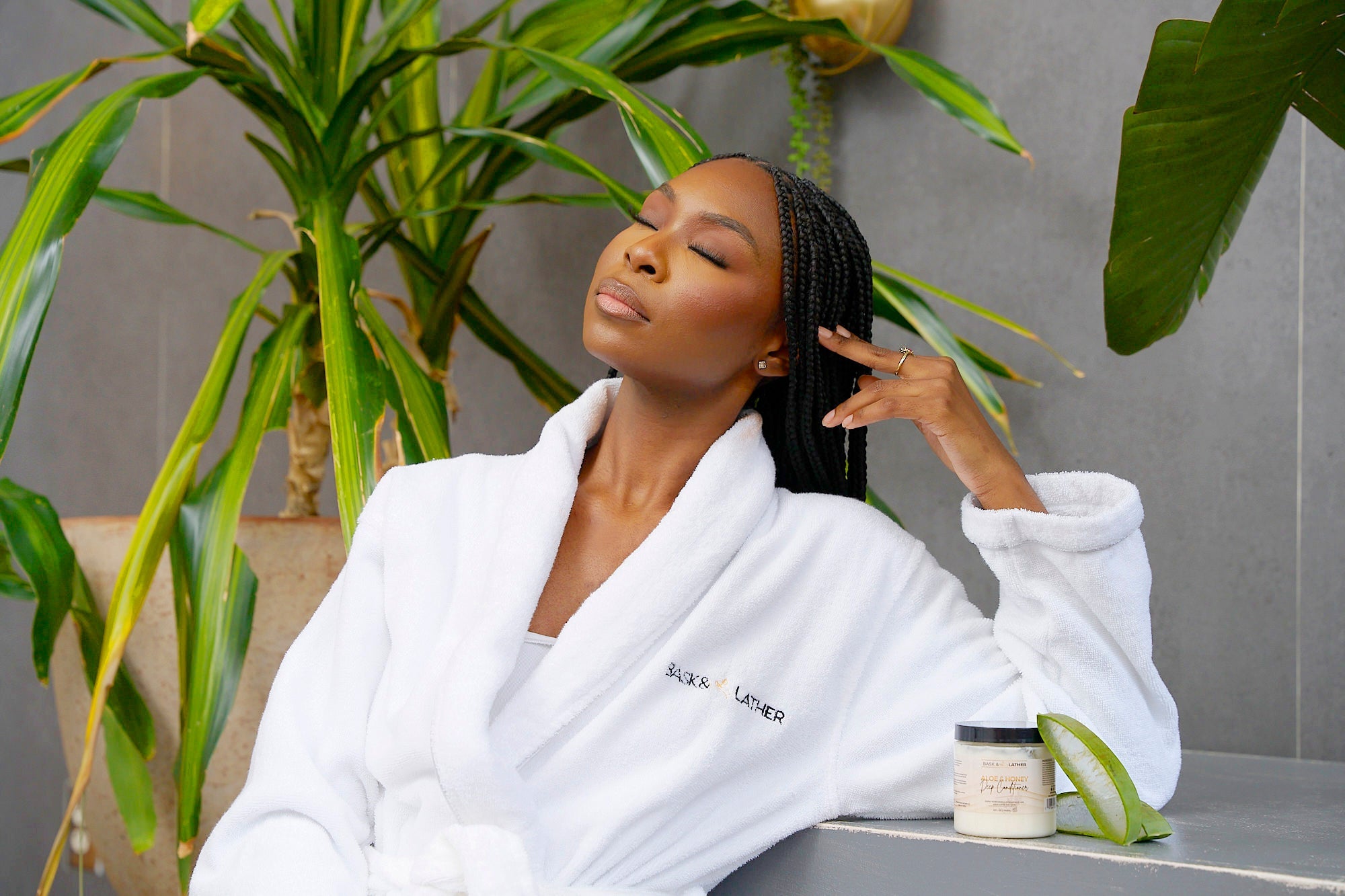
March is Women's History Month, and we're taking a moment to talk about something that often gets overlooked in beauty history: the women who changed how we think about natural hair.
The natural hair movement didn't start with Instagram tutorials or product launches. It started with women who were tired of being told their hair wasn't professional, wasn't beautiful, wasn't acceptable as it grew from their scalps. Women who said "enough" and built an entire movement around the radical idea that Black hair, in its natural state, deserves to be celebrated.
The Roots of the Movement
The modern natural hair movement has deep ties to the Black Power and Black Pride movements of the 1960s and 70s. Women like Angela Davis wore their hair in afros as a political statement, a visual rejection of Eurocentric beauty standards that had dominated for generations.
But going natural wasn't just a political choice. It was personal. For decades, Black women had been told that straight hair was the only way to be taken seriously in professional spaces. Relaxers, hot combs, and chemical treatments were normalized, even though they often caused severe scalp damage and hair loss.
The women who chose to transition to natural hair in that era did so knowing it could cost them job opportunities, social acceptance, and even safety. That's not ancient history. The CROWN Act, which prohibits discrimination based on natural hair, only started passing in U.S. states in 2019. Some states still don't have it.
The Digital Generation: Building Community Online
In the 2000s, a new wave of natural hair pioneers took to YouTube and blogs to document their journeys. Women like Chime Edwards, Naptural85, and countless others created entire libraries of knowledge, from how to transition from relaxed to natural hair and how to care for different curl patterns, to what products actually worked.
This was revolutionary. For the first time, Black women didn't have to rely on salons that didn't know how to work with their texture or products that weren't made for them. They had each other. The information was free, accessible, and created by people who actually understood the struggle.
These creators didn't just teach hairstyles. They taught self-acceptance. They normalized the awkward stages of transitioning. They celebrated shrinkage, coils, and kinks. They made "big chop" videos that showed women cutting off years of relaxed hair and embracing their natural texture for the first time.
The Entrepreneurs Who Built Solutions
As the movement grew, so did the gap in the market. Women wanted products designed specifically for natural hair, not generic "ethnic hair" lines that still assumed straight hair was the goal.
That's when the entrepreneurs stepped in. Black women started building their own brands, creating products that actually addressed the needs of natural hair: moisture retention, scalp health, curl definition, and growth support without harsh chemicals. These weren't just businesses; they were responses to a market that had ignored textured hair for decades.
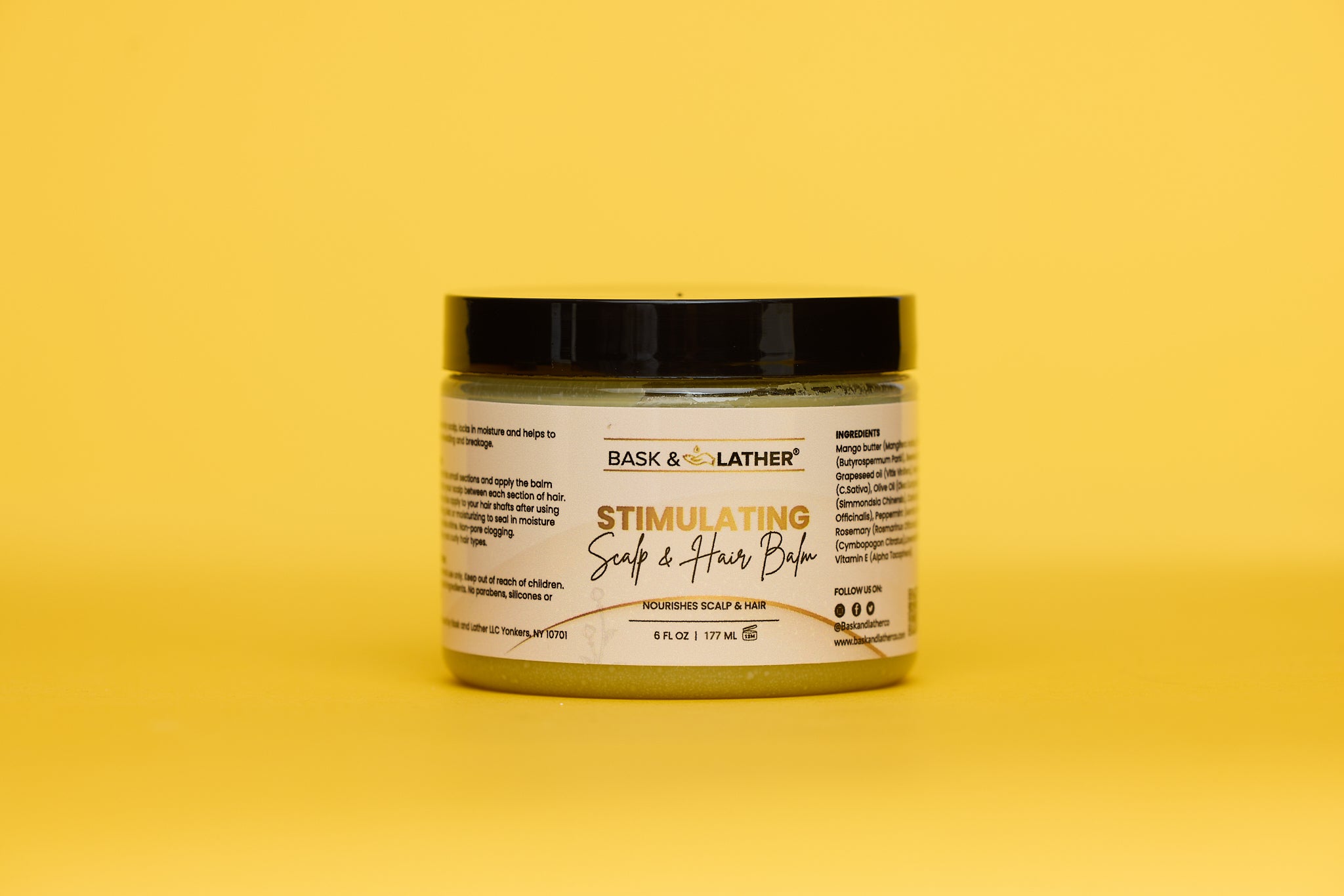
Shaina Rainford, founder of Bask & Lather Co., saw the same gap. After a misdiagnosed ringworm to her sister’s scalp, their mother created a product that was natural, safe, and effective for her hair growth journey. Shaina, seeing the potential for what the product can do for others' hair growth journey, closed that gap with Bask and Lather Co. That's the story behind so many natural hair brands… women solving their own problems and sharing the solutions with their community.
What Makes This a Movement, Not Just a Trend
The natural hair movement isn't about aesthetics. It's about autonomy. It's about women deciding for themselves what their hair should look like, how they want to care for it, and what "healthy" means for them.
It's also about economic power. When Black women spend their money on brands that understand them, respect them, and create products that actually work, that's a shift in the market. The natural hair care industry is now worth billions, and it's growing.
But more than that, it's about the next generation. Young girls growing up today see natural hair everywhere, including movies, boardrooms, and classrooms. They see women with locs, twist-outs, wash-and-gos, and afros thriving. That normalization matters.
Where We Go From Here
The work isn't done. Discrimination still happens. Not every workplace is safe for natural hair. Not every school allows protective styles without pushback. The beauty industry still has a long way to go in understanding textured hair.
But the foundation has been built by women who refused to compromise. Women who shared their knowledge freely. Women who built businesses, created content, and showed up for each other when no one else would.
This Women's History Month, we celebrate them. And we keep building.
Your hair is your crown. Wear it however you choose.