Peppermint oil earns its place in a winter routine because of what it does for the scalp during the months when the scalp needs the most attention. Cold air outside and dry heat indoors leave many people with a scalp that feels tight and itchy, and peppermint brings an immediate cooling, refreshed feeling that makes that discomfort easier to live with. It also gives you a reason to keep up a habit that tends to slip in winter: regular scalp massage.
There's a lot of excitement online about peppermint oil and hair growth, and some of it is based on real research. Some of it isn't. Here's what peppermint oil is, why it feels the way it does, what the science actually shows, and how to use it safely on natural hair.
What Peppermint Oil Actually Is
Peppermint oil is an essential oil steam-distilled from the leaves of the peppermint plant, Mentha piperita, which is a natural cross between watermint and spearmint. The oil is highly concentrated. It takes a large amount of plant material to produce a small bottle, which is why pure peppermint oil is so strong and why it always needs to be diluted before it touches your skin.
The compound that does most of the work is menthol, which makes up the largest share of the oil. Menthone and smaller amounts of other plant compounds round it out. Menthol is what gives peppermint its sharp scent, its cooling sensation, and most of its reputation in hair care.
Why Peppermint Feels Cool on Your Scalp
That familiar cooling tingle is a bit of a trick. Your skin has nerve receptors whose job is to detect cold, and menthol activates those same receptors directly. Your scalp registers cold even though its temperature hasn't changed at all. It's the same reason mint gum makes a sip of water feel icy.
This explains why peppermint is so popular for a dry, itchy scalp. The cooling sensation competes with the itch and gives a sense of relief, which is especially welcome in winter, when the scalp is dealing with low humidity, hot showers, and heavy hats all at once.
What the tingle doesn't tell you is how well a product is working. We covered this in our post on common scalp care myths: a stronger tingle simply means more menthol, not better results. A gentle cooling feeling is what you're after. Burning or stinging means the oil is too concentrated for your skin.
What the Research Says About Peppermint Oil and Hair Growth
Most of the online buzz traces back to a single study. In 2014, researchers published a study in Toxicological Research in which they applied diluted peppermint oil to the skin of mice for four weeks and compared the results with groups given saline, jojoba oil, or a common hair growth medication. The peppermint group showed more hair follicles, deeper follicles, and thicker growth than the other groups, with no signs of toxicity.
Those results are genuinely interesting, and they're why researchers continue to look at peppermint. They also come with real limits. The study was small, it was done on mice rather than people, and mouse skin and hair cycles work quite differently from human ones. As of now, there isn't strong evidence from human trials showing that peppermint oil grows hair.
So the honest takeaway is this: peppermint oil is a promising ingredient with early research behind it, not a proven growth treatment. The reasons to use it in winter don't depend on that research anyway. They come down to scalp comfort and the habits it encourages.
Why Winter Is Peppermint's Season
Winter is hard on the scalp in a few specific ways, and peppermint lines up well with each of them.
Dry air from every direction. Cold outdoor air holds very little moisture, and indoor heating dries the air even further. Your scalp is skin, and like the skin on your hands, it can feel tight and itchy when the air around it is this dry. Peppermint's cooling effect brings quick relief while a carrier oil helps the scalp feel more comfortable and less tight.
Hats, scarves, and trapped warmth. Winter accessories rub against the hairline and trap heat and sweat against the scalp. After a day under a wool hat, a light peppermint massage leaves the scalp feeling refreshed rather than stuffy.
Longer protective styles. Many people keep braids, twists, or wigs in longer during the colder months, which means less direct access to the scalp. An oil you can apply along your parts is one of the easiest ways to keep caring for the scalp underneath a style.
Routines that slip. Short days and busy holidays make it easy to let scalp care fall off. A few minutes of massage with an oil you enjoy using is a small ritual that's easy to keep, and the scent alone makes it something to look forward to on a gray morning.
How to Use Peppermint Oil Safely
Peppermint oil is gentle when it's handled correctly and irritating when it isn't. Most bad experiences come from using too much or using it undiluted, so a few rules go a long way.
- Never apply pure peppermint essential oil straight to your scalp. It needs to be diluted in a carrier oil such as grapeseed, jojoba, or hemp seed oil.
- If you're mixing your own, start with just a few drops of peppermint oil per tablespoon of carrier oil. More is not better.
- Patch test first. Apply a small amount to the inside of your forearm and wait a day to see how your skin reacts.
- Keep it well away from your eyes, and wash your hands after applying.
- Expect a mild, cooling tingle. If it burns, stings, or leaves redness, rinse it off and stop using it.
If you have very sensitive skin, eczema, or a scalp condition, check with your dermatologist before adding any essential oil to your routine.
Why a Ready-Made Blend Is Easier
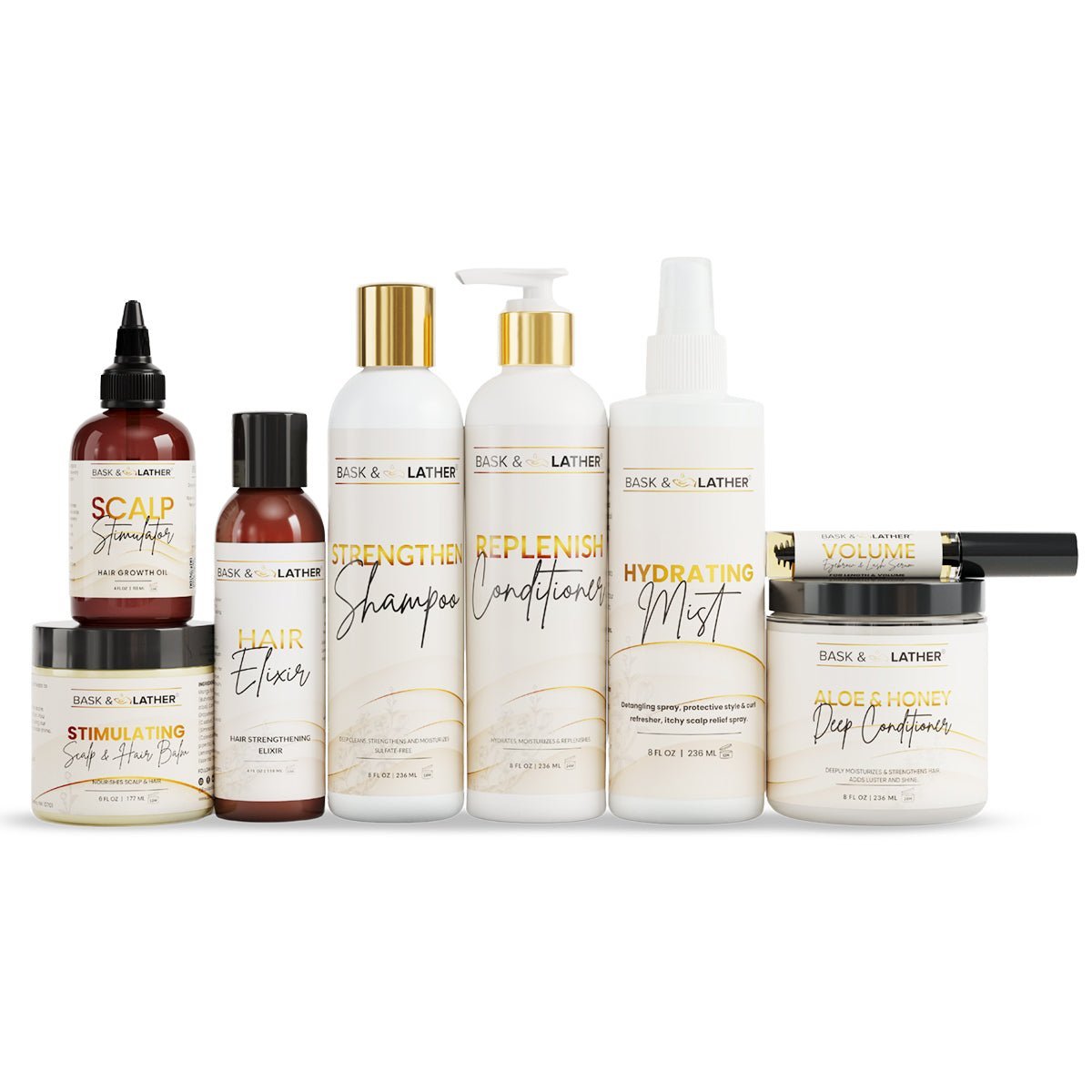
Mixing your own peppermint oil works, but it's easy to get the dilution wrong, and a homemade blend can be inconsistent from batch to batch. A ready-made scalp oil takes the guesswork out. Our Scalp Stimulator is a cold-pressed blend that pairs peppermint with rosemary in a base of grapeseed and hemp seed oils, which bring omega-3, 6, and 9 fatty acids and sit lightly on the scalp without feeling greasy. The peppermint gives that clean, cooling feel, while the carrier oils nourish the scalp and help it feel less dry between wash days.
How to Add Peppermint to Your Winter Routine
For curly and coily hair, three to four scalp massages a week is a good rhythm, and those with looser textures often need only one or two. Here's a simple way to do it:
Section and apply. Part your hair into a few sections and apply a small amount of oil directly along each part. If you're wearing a protective style, follow the lines between your braids or twists.
Massage with your fingertips. Use the pads of your fingers, not your nails, and move in small circles for three to five minutes. Keep the pressure firm but comfortable, and pay attention to areas that feel tight or itchy.
Pick the right moment. Many people like a massage before wash day, letting the oil sit for a while before cleansing. Others prefer it in the evening as a way to wind down before covering their hair for bed. Both work, so choose the one you'll actually stick with.
Pair oil with water-based moisture. Oil helps the scalp feel nourished, but it doesn't hydrate hair on its own. Keep using your leave-in or a hydrating mist on your hair, and let the oil focus on the scalp.
Consistency matters more than quantity. A small amount used regularly through the winter will do more for how your scalp feels than a heavy application once in a while.
What Peppermint Oil Can't Do
Peppermint oil is a great scalp care ingredient, but it isn't a treatment for medical hair loss. If you notice sudden shedding, bald patches, thinning along your part, or a scalp that's persistently red, scaly, or painful, those are signs to see a dermatologist rather than reaching for another oil. They can figure out what's behind it and recommend what will actually help.
For everyday winter dryness and that tight, itchy feeling the season brings, though, peppermint is one of the most pleasant ingredients you can use. It feels good, it smells good, and it turns scalp care into a few minutes you look forward to instead of another chore.
Frequently Asked Questions
Does peppermint oil help hair grow?
Early research in mice showed promising results, but there isn't strong evidence in humans yet. Peppermint oil is best thought of as a scalp care ingredient that keeps your scalp feeling refreshed and comfortable, not as a proven growth treatment.
Can I put peppermint oil directly on my scalp?
Not pure essential oil. It's very concentrated and can irritate the skin, so always dilute it in a carrier oil or use a ready-made blend that's already properly diluted.
How often should I use peppermint oil on my scalp?
For curly and coily hair, three to four times a week works well, while looser textures usually need only one or two sessions. Pay attention to how your scalp responds, and use it less often if you notice any irritation.
Is the tingling feeling normal?
Absolutely. A mild, cooling tingle is normal and comes from the menthol in peppermint oil. A burning or stinging feeling is not, so rinse it off if that happens.
Can I use peppermint oil with braids or other protective styles?
Yes. Apply a small amount along your parts and massage it in with your fingertips. It's one of the easiest ways to care for your scalp while wearing a protective style.
Should I use peppermint oil or rosemary oil?
You don't have to choose. They're often used together, and the Scalp Stimulator combines both, so you get the cooling feel of peppermint along with rosemary in a single scalp oil.