Protective styles are supposed to help you retain length. But if you install them too tight, skip moisture, or leave them in too long, they'll do the opposite.
Here's how to actually grow your hair while wearing protective styles.
Don't Install Them Too Tight
If your scalp hurts after getting braids or twists installed, it's too tight. Pain isn't part of the process.
Tight styles cause tension alopecia, which is hair loss from constant pulling on the follicles. Your edges are especially vulnerable, and once that damage is done, it can take months to recover.
If a stylist is installing your hair and it hurts, speak up. Your hair shouldn't have to suffer to look good.
Moisturize Your Scalp and Hair Regularly
Just because your hair is in a protective style doesn't mean you can forget about it for two months.
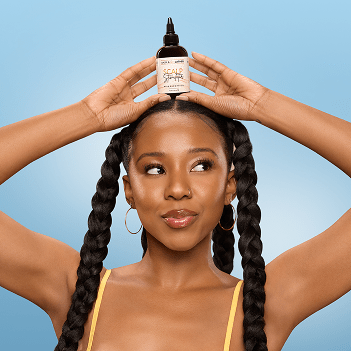
Your scalp still needs moisture. Use a scalp oil to keep your scalp nourished and stimulate blood flow. Apply it to your scalp gently without disturbing the style.
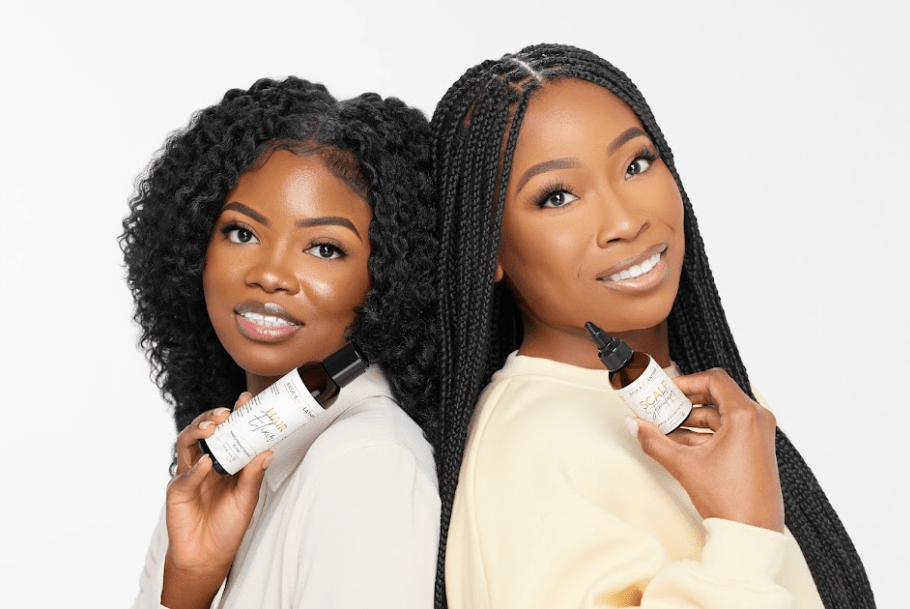
Your hair also needs hydration, especially at the roots and along the length of the braids or twists. Use a lightweight oil like the Hair Elixir or a hydrating mist every few days to prevent your hair from drying out.
Dry hair breaks. Even in a protective style.
Keep Your Scalp Clean
Buildup happens fast when your hair is in a protective style. Sweat, oil, product residue, and dead skin cells accumulate on your scalp, and if you don't clean it, your scalp gets irritated and your follicles get clogged.
You don't need to take your braids out to wash your hair. Dilute your shampoo with water in a spray bottle and apply it directly to your scalp. Massage gently, then rinse thoroughly. Follow up with a light oil or leave-in conditioner.
Do this every one to two weeks, depending on how active you are and how oily your scalp gets. A clean scalp is a growing scalp.
Don't Keep Them In Too Long
Protective styles have an expiration date. After six to eight weeks, they've done their job. Keeping them in longer than that increases the risk of matting, tangling, and breakage when you finally take them out.
Your hair also needs a break. Constantly wearing protective styles without giving your scalp time to breathe can weaken your hair over time. Rotate between protective styles and low-manipulation styles that let your hair rest.
Growth happens when your hair is healthy, not when it's constantly under tension.
Protect Your Edges
Your edges are delicate, and they're usually the first to suffer when protective styles are done wrong.
Avoid styles that pull directly on your hairline. Don't add heavy extensions to the front of your head. If you're wearing your hair in a ponytail or bun, don't pull it tight.
When you sleep, wrap your hair in a silk or satin scarf to reduce friction. Even in a protective style, your edges need care.
If your edges are already thinning, give them a break. Let them recover before putting them under tension again.
Take Them Down Carefully
Be patient when removing your protective style. Detangle gently. Use a slippery conditioner or oil to help loosen knots.
The hair you see coming out isn't always new shedding. A lot of it is normal shedding that accumulated while your hair was braided. But if you're rough with the takedown, you'll add breakage on top of that.
The Real Purpose of Protective Styles
Protective styles aren't magic. They don't grow your hair on their own. What they do is reduce daily manipulation, which minimizes breakage and helps you retain the length you're already growing.
But if the style is too tight, if you're not moisturizing, or if you're keeping it in too long, you're defeating the purpose.
Wear protective styles strategically. Use them when you need a break from daily styling, when you're in a busy season and don't have time for a full routine, or when you want to protect your hair from environmental damage.
Just don't rely on them as a substitute for actually taking care of your hair.
Your hair grows from a healthy scalp and a consistent routine. Protective styles are just one tool in the process, not the whole solution.
If you're looking for products specifically designed for textured and coily hair types, check out the 4C Hair Products collection for moisture-rich formulas that work with your hair, not against it.