You can use the best products, follow the perfect routine, and still, you can watch your hair struggle if the rest of your life is a mess.
Hair growth doesn't happen in isolation. It's deeply rooted in how you sleep, how you manage stress, and how much water you're giving your body that it needs to function. These aren't minor factors, they're foundational. When they're off, your hair feels it before almost anything else.
Here's how sleep, stress, and hydration impact hair growth, and what you can actually do about it.
Sleep and Hair Growth: Your Body Repairs While You Rest
Hair growth happens when your body is at rest. During deep sleep, your body releases growth hormones that stimulate cell reproduction, including the cells in your hair follicles. Without adequate sleep, this process slows down or stops entirely.
Research shows that chronic sleep deprivation disrupts the hair growth cycle. Follicles spend less time in the anagen (growth) phase and more time in the telogen (resting) phase. The result is slower growth, increased shedding, and thinner hair over time.
Sleep also affects circulation. When you're in deep sleep, blood flow to your scalp increases, delivering oxygen and nutrients to your follicles. Poor sleep means poor circulation, which means your follicles aren't getting what they need to produce strong, healthy hair.
What Sleep Deprivation Looks Like on Your Hair
If you're not sleeping enough, you'll notice:
-
More hair shedding than usual
-
Hair that feels thinner or weaker
-
Slower growth, even if you're doing everything else right
-
A dry, irritated scalp
Sleep deprivation also triggers inflammation throughout the body, including on your scalp. An inflamed scalp is not a growing scalp.
How Much Sleep Do You Actually Need?
Most adults need 7 to 9 hours of sleep per night for optimal health, including hair health. If you're consistently getting less than that, your hair will eventually show it.
Quality matters as much as quantity. Interrupted sleep or light sleep doesn't give your body the deep rest it needs to repair and regenerate. If you're waking up multiple times a night or never reaching deep sleep, your hair growth is suffering even if you're technically in bed for eight hours.
What You Can Do
Prioritize sleep the same way you prioritize your hair routine. Set a consistent bedtime, limit screen time an hour before bed and keep your room cool and dark. If you're struggling with insomnia or poor sleep quality, address it. Your hair depends on it.
Stress and Hair Loss: The Connection Is Real
Stress doesn't just make you feel terrible. It actively disrupts your hair growth cycle.
When you're under chronic stress, your body produces cortisol, a hormone that shifts resources away from non-essential functions like hair growth and toward immediate survival needs. Your body doesn't care about your hair when it thinks you're in danger.
There are three main types of stress-related hair loss:
Telogen effluvium is the most common. Severe or prolonged stress pushes a large number of hair follicles into the resting phase all at once. Two to three months later, you'll notice increased shedding. The good news is that this type of hair loss is reversible once the stress is managed.
Trichotillomania is a stress-induced disorder where people compulsively pull out their own hair. It's often a response to anxiety, boredom, or frustration.
Alopecia areata is an autoimmune condition where the immune system attacks hair follicles. Stress doesn't cause it, but it can trigger or worsen episodes in people who are predisposed to the condition.
What Stress Does to Your Scalp
Stress also causes scalp tension and reduced blood flow. When you're stressed, the muscles in your scalp tighten, which restricts circulation to your follicles. Less blood flow means less oxygen and fewer nutrients reaching the hair roots.
Chronic stress also increases inflammation, which disrupts the normal hair growth cycle and can lead to conditions like seborrheic dermatitis or scalp psoriasis.
What You Can Do
You can't eliminate stress entirely, but you can manage it. Exercise, meditation, therapy, journaling, deep breathing, whatever works for you. The goal is to bring your cortisol levels down and give your body a break.
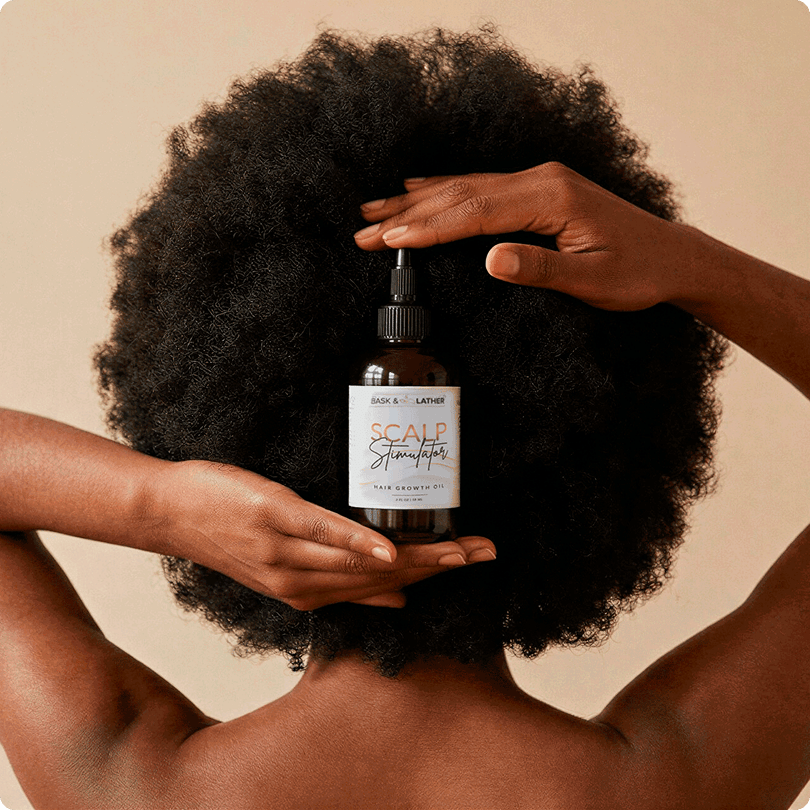
Scalp massage is also incredibly effective for stress-related hair issues. A five-minute massage every night stimulates circulation, relieves tension, and gives you a moment to decompress. Use a growth-supporting oil like the Scalp Stimulator to maximize the benefits.
Hydration and Hair Health: Water Feeds Your Follicles
Your hair is about 25% water. When you're dehydrated, your hair feels it immediately.
Water is essential for nutrient transport. Your blood carries vitamins, minerals, and oxygen to your hair follicles, but only if you're adequately hydrated. Dehydration slows circulation, which means your follicles aren't getting the fuel they need to produce strong, healthy hair.
Dehydration also affects your scalp. A dry scalp produces less natural oil, which leads to irritation, flaking, and brittle hair. Your hair shaft itself becomes dry and prone to breakage when it's not getting enough moisture from the inside.
Signs Your Hair Is Dehydrated
If you're not drinking enough water, you'll notice:
-
Dry, brittle hair that breaks easily
-
A tight, flaky scalp
-
Dull hair with no shine
-
Slow growth and excessive shedding
These symptoms can look a lot like product buildup or damage, but sometimes the issue is simpler. You're just not drinking enough water.
How Much Water Do You Need?
The standard recommendation is about eight 8-ounce glasses of water per day, but your needs depend on your activity level, climate, and overall health. If you're exercising regularly, living in a hot climate, or dealing with illness, you'll need more.
A good rule of thumb: if your urine is dark yellow, you're dehydrated. Aim for pale yellow or clear.
What You Can Do
Drink water consistently throughout the day, not just when you're thirsty. Keep a water bottle with you. Set reminders if you need to. Eat water-rich foods like cucumbers, watermelon, and leafy greens.
External hydration matters too. Use a leave-in conditioner or hydrating mist to lock moisture into your hair after washing. But internal hydration is the foundation. No amount of product will fix hair that's dehydrated from the inside.
Hair Growth Happens From the Inside Out
Your hair reflects your overall health. If you're not sleeping, if you're chronically stressed, or if you're dehydrated, your hair will show it.
The good news is that these are things you can control. You don't need expensive treatments or complicated routines. You need sleep, stress management, and water. The basics matter more than most people realize.
Support your body, and your hair will follow. Start with the foundation, and everything else becomes easier.
If you're doing everything right externally but still struggling with slow growth or excessive shedding, take a look at your sleep, stress, and hydration. The answer might be simpler than you think.
Frequently Asked Questions
How long does it take for hair to recover after improving sleep?
Most people notice reduced shedding within 2 to 3 weeks of consistent, quality sleep. Visible growth improvements take 2 to 3 months, as that's how long it takes for new hair to grow from the follicle.
Can stress cause permanent hair loss?
No. Stress-related hair loss (telogen effluvium) is temporary and reversible once stress is managed. However, chronic, unmanaged stress over years can weaken hair follicles and make regrowth slower.
How much water should I drink for healthy hair growth?
Aim for at least 8 glasses (64 ounces) of water per day. If you're active, live in a hot climate, or exercise regularly, you'll need more. Your urine should be pale yellow, not dark.
Will taking vitamins help if I'm not sleeping or hydrating properly?
Vitamins support hair growth, but they can't compensate for chronic sleep deprivation or dehydration. Your body needs the basics first: sleep, water, and stress management. Vitamins work best when your foundation is solid.
Can scalp massage really reduce stress-related hair loss?
Yes. Scalp massage reduces tension, increases blood flow to the follicles, and helps lower cortisol levels. A 5-minute massage with a growth oil 2 to 3 times per week can make a noticeable difference over time.