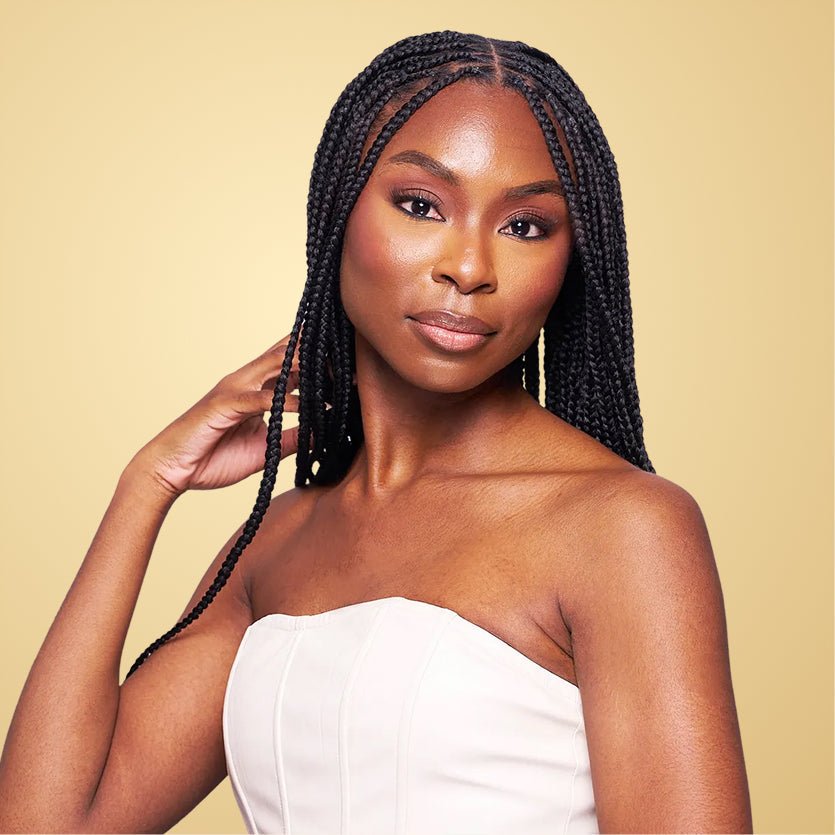
Hair growth takes time, and progress isn't always obvious when you're looking at your hair every day. But if you've been taking care of your scalp consistently for the past few months, there are signs that things are improving, even if you haven't seen dramatic length yet.
Your scalp tells you a lot about what's happening with your hair. If you know what to look for, you can recognize progress long before you see it in the mirror.
Here are five signs your scalp is healthier than it was three months ago.
1. You're Not Scratching Your Head All the Time
If your scalp used to itch constantly and now it doesn't, that's a big deal.
Scalp itchiness usually means irritation, dryness, or buildup. When your scalp is balanced and healthy, the itching stops. You're not reaching up to scratch in the middle of a meeting. You're not waking up at night because your scalp is bothering you.
This is one of the first signs that your routine is working. A calm, comfortable scalp means the products you're using are right for your hair type, and your scalp's moisture barrier is functioning the way it should.
If you're no longer itchy, you're doing something right.
2. Less Flaking and Dandruff
Flakes happen when your scalp is too dry, too oily, or dealing with a buildup of dead skin cells. If you used to see white flakes on your shoulders or in your hair and now you don't, your scalp health has improved.
A healthy scalp sheds dead skin cells naturally without visible flaking. When you're moisturizing properly, keeping your scalp clean, and using products that don't irritate your skin, the flaking goes away.
This also means your scalp's natural oil production is more balanced. You're not overproducing oil to compensate for dryness, and you're not stripping your scalp with harsh products that make it flake.
3. Your Scalp Feels Soft, Not Tight or Greasy
Touch your scalp. How does it feel?
A healthy scalp feels soft and slightly cushioned, not tight and dry or slick and greasy. If your scalp used to feel uncomfortable and now it feels normal, that's progress.
Tight, dry scalps are a sign of dehydration and lack of moisture. Greasy scalps usually mean product buildup or overactive sebum production. When your scalp is balanced, it feels like skin should feel: soft, clean, and comfortable.
If you can run your fingers through your scalp without feeling buildup, tightness, or excess oil, you're in a good place.
4. You're Seeing Less Shedding in the Shower
Some shedding is normal. We lose between 50 and 100 hairs a day as part of the natural hair growth cycle. But if you used to see clumps of hair in the shower and now you're seeing significantly less, your scalp health has improved.
Excessive shedding can be caused by scalp inflammation, poor circulation, or follicles being pushed into a resting phase too early. When you start taking care of your scalp with regular massages, nourishing oils, and a consistent routine, shedding decreases.
You might still see some hair in the drain, but it's not alarming anymore. That's a sign your follicles are healthier and staying in the growth phase longer.
5. New Growth at Your Hairline and Edges
This is the one everyone's waiting for, and it's one of the last signs to show up. But if you're starting to see baby hairs along your hairline or edges that weren't there three months ago, your scalp is thriving.
New growth means your follicles are active and producing hair. It means the circulation to your scalp has improved, and your follicles are getting the nutrients they need to function.
Baby hairs are delicate, so treat them gently. Don't pull them into tight styles or apply heavy products directly to your hairline. Let them grow without interference.
If you're seeing new growth, keep doing what you're doing. The results will keep coming.
Why Scalp Health Matters More Than You Think
People focus so much on the hair itself that they forget where it comes from. Your hair grows out of your scalp. If your scalp isn't healthy, your hair won't be either.
A healthy scalp supports consistent growth, reduces breakage, and creates an environment where hair can thrive. When your scalp is irritated, dry, or clogged, hair growth slows down or stops entirely.
That's why scalp care should be the foundation of your hair growth routine, not an afterthought.
How to Keep Your Scalp Healthy
If you're seeing these signs, you're on the right track. Keep doing what's working.
Massage your scalp regularly to stimulate blood flow. Use scalp oils with ingredients like rosemary and peppermint to nourish your follicles. Keep your scalp clean without overwashing. Moisturize consistently.
And be patient. Scalp health improves gradually, and so does hair growth. The people who see the best results are the ones who stay consistent, even when progress feels slow.
Your scalp is healthier than it was three months ago. That's not nothing. That's everything.