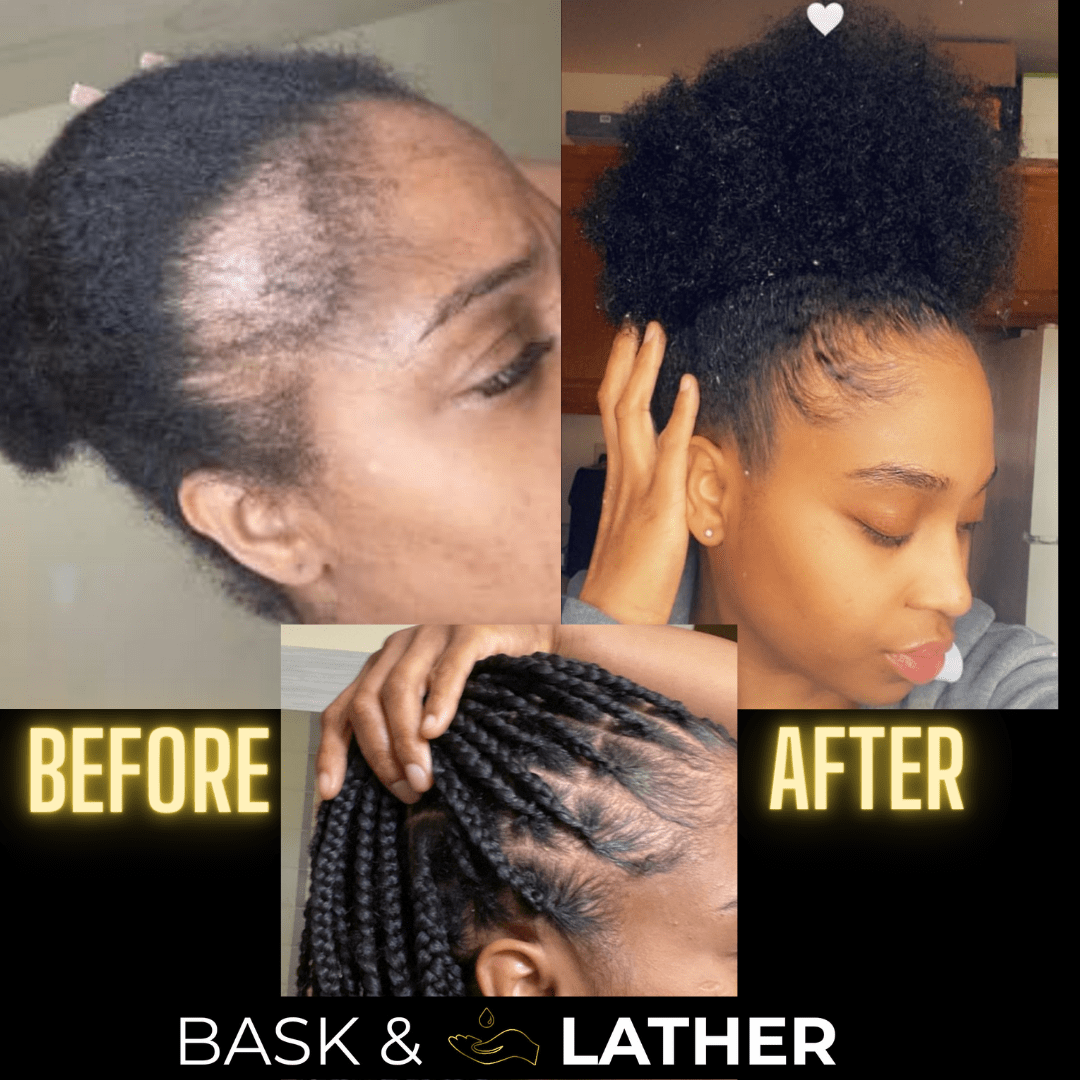
If you've been paying attention to the natural hair community lately, you've probably noticed rosemary oil showing up everywhere. It's in hair growth videos, in DIY scalp oil recipes, and recommended by people who swear their hair has never grown faster.
So what's the deal with rosemary oil? Is it actually effective, or is it just another ingredient that's having its moment before fading into the background?
Turns out, rosemary oil has real science backing it up. And if you're serious about hair growth, it's worth understanding why this herb has become a staple in so many routines.
What Rosemary Oil Actually Does
Rosemary oil works by stimulating blood circulation to the scalp. When blood flow increases, your hair follicles get more oxygen and nutrients, which supports healthier, faster growth.
A 2015 study published in Skinmed compared rosemary oil to minoxidil (the active ingredient in Rogaine) for treating androgenetic alopecia, also known as pattern hair loss. After six months, both groups saw significant hair growth, and the rosemary oil group experienced less scalp itching as a side effect.
That's not a small claim. Rosemary oil performed as well as a clinically proven hair growth treatment, without the irritation that often comes with synthetic alternatives.
But here's the thing: rosemary oil doesn't work overnight. The study took six months to show results. If you're expecting visible growth after a week, you're going to be disappointed. Consistency is what makes rosemary oil effective, not speed.
Why It Works So Well for Natural Hair
Natural hair, especially textured and coily hair types, thrives when the scalp is healthy and well-nourished. Rosemary oil supports both.
It has anti-inflammatory properties that help soothe irritation and reduce conditions like dandruff or seborrheic dermatitis. A calm, balanced scalp creates a better environment for hair growth.
Rosemary oil is also antimicrobial, which means it helps keep your scalp clean without stripping it of natural oils. This is especially helpful if you have buildup from styling products or live in a humid climate where your scalp gets oily quickly.
And because it stimulates circulation, rosemary oil is particularly effective when paired with scalp massage. The combination of increased blood flow from the massage and the stimulating properties of the oil creates the ideal conditions for growth.
How to Use Rosemary Oil Correctly
Rosemary oil is potent, which means you can't just pour it directly onto your scalp and expect good results. Essential oils need to be diluted in a carrier oil like jojoba, grapeseed, or castor oil before applying them to your skin.
If you're making your own scalp oil, use about 3 to 5 drops of rosemary essential oil per tablespoon of carrier oil. Apply it to your scalp, massage it in for a few minutes, and leave it on for at least 30 minutes before washing. Some people leave it on overnight for deeper penetration.
Or, if you want a formula that's already balanced and ready to use, products like the Scalp Stimulator for hair growth are designed with rosemary oil at the right concentration, so you don't have to worry about measuring or mixing.
The key is consistency. Use rosemary oil 2 to 3 times per week as part of your regular routine. Growth won't happen after one application, but over weeks and months, you'll start seeing the difference.
What Rosemary Oil Can't Do
Rosemary oil is effective, but it's not magic. It can't fix genetic hair loss on its own, and it won't override poor health habits like lack of sleep, stress, or nutritional deficiencies.
If your hair isn't growing because of an underlying health issue like thyroid problems, anemia, or severe vitamin deficiencies, rosemary oil alone won't solve that. It works best when your body is already functioning well and you're giving it the support it needs to grow hair.
Also, rosemary oil won't replace a good haircare routine. You still need to moisturize, protect your ends, avoid excessive heat, and follow a consistent wash day schedule. Rosemary oil is a tool that enhances growth, but it's not a substitute for taking care of your hair overall.
Why It's Become a Staple
Rosemary oil has staying power because it works, and it works naturally. People want ingredients they can trust, and rosemary has centuries of use in traditional medicine combined with modern research that backs it up.
It's also affordable and accessible. You can buy rosemary essential oil for a few dollars and mix it yourself, or you can buy a pre-formulated scalp oil that includes it alongside other growth-supporting ingredients.
The natural hair community values transparency and results, and rosemary oil delivers on both. That's why it's not going anywhere.
The Bottom Line
If you're looking to support hair growth, rosemary oil is one of the most effective natural ingredients you can use. It stimulates circulation, soothes the scalp, and has research to back up its claims.
But like anything else in hair care, it requires consistency. Use it regularly, pair it with a healthy routine, and give it time to work.
Your hair will thank you.